

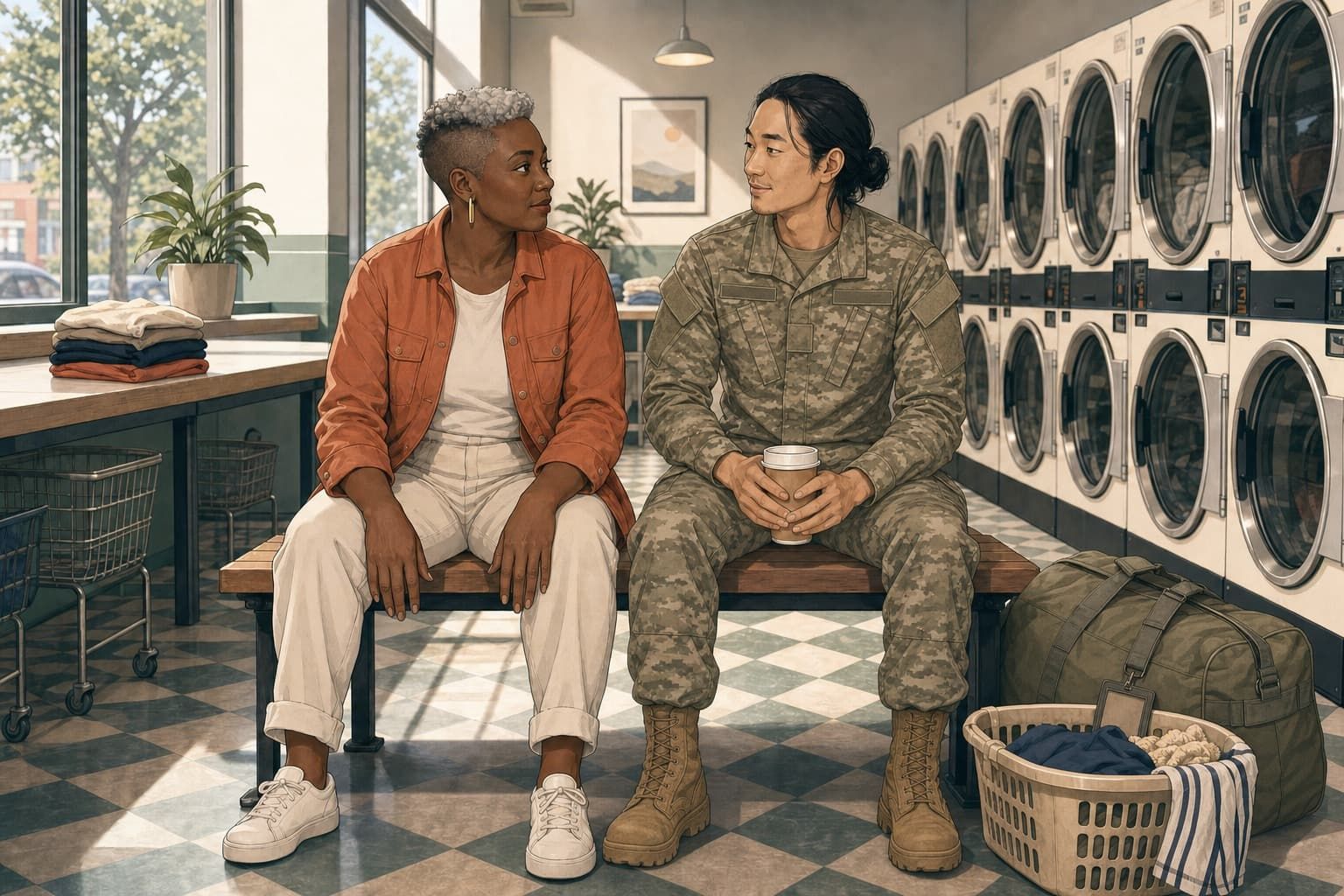
Dating an Army man can feel both exciting and unfamiliar. Training, temporary duty, deployments, and moves may affect when you see each other and how far ahead you can plan. Yet the uniform does not determine whether someone will be loyal, emotionally available, or compatible with you.
The most useful question is not whether military men make good partners. It is whether this particular person communicates honestly, respects your boundaries, and can build a relationship that works for both of you.
What dating an Army man can be like

Military life has its own schedules, vocabulary, and limits. Plans can change because of duty requirements, and your partner may not always be free to explain where they are going or what they are doing. Operational security is real, but it should not become a blanket excuse for secrecy about the relationship.
You may hear terms such as:
- PCS - permanent change of station, usually a longer-term relocation.
- TDY - temporary duty away from the regular duty location.
- Deployment - assignment away from the home station, often for an extended period.
- Leave - approved time away from duty.
Ask your partner what these terms mean in their specific situation. Army careers vary widely by job, unit, location, and stage of service.
Early on, discuss the practical realities rather than guessing:
- How predictable is their current schedule?
- What communication is realistic during training or travel?
- Are they expecting a move in the foreseeable future?
- What kind of relationship are you both looking for?
- How do you each handle periods of limited contact?
If you are still learning how to talk about expectations, our guide to dating rules, consent, and boundaries offers useful language.
Potential benefits of the relationship
The advantages come from the person and the relationship, not automatically from military service. Still, military life can create experiences that some couple values.
A clear sense of purpose
Some service members take pride in work that gives them structure, responsibility, and a sense of contribution. Those qualities can be attractive, but avoid treating discipline or integrity as guaranteed by a job title. Notice how your partner behaves when plans fail, conflict appears, or you say no.
New places and communities
A military career may expose a couple to different regions, countries, and communities. That can broaden your world and help you meet people who understand military life.
Relocation is not automatically an adventure, however. It can also interrupt work, education, friendships, and family ties. Dating someone does not oblige you to move, and moving together deserves a practical conversation about money, housing, work, and commitment.
Relationship Support Resources
Military OneSource offers relationship education and confidential support for eligible members of the military community. Eligibility varies by service status and by program. Some resources include dating partners, while benefits such as military health coverage are generally tied to legal eligibility rather than simply dating a service member.
That distinction matters: do not make financial or housing decisions based on assumed “military partner benefits.” Check the current rules through an official source.
Common challenges and practical responses

Changing plans
Duty can override a weekend, holiday, or planned call. Flexibility helps, but your time still matters. A considerate partner acknowledges the disruption, shares what they can, and helps make a new plan.
"Be intentional with your time together. Decide together how and when you will decompress by setting a specific time and time limit."
Corie WeathersLicensed professional counselor, military spouse, award-winning author, speaker, consultant
Try a simple agreement: “If duty changes our plan, send me a brief message when you are allowed, and let’s choose another time once you know your schedule.”
Time apart
Training and deployments may create long separations, uneven access to calls, and missed milestones. Before a separation, agree on a realistic communication range rather than a rigid promise. Discuss what each of you considers meaningful contact, how you will handle missed calls, and whom you can contact in an emergency.
Maintain your own friendships, routines, goals, and support system. Independence is not a sign of weak commitment; it prevents the relationship from carrying every emotional need.
Military OneSource recommends discussing communication expectations before deployment and recognizing that reunion may not unfold exactly as imagined. Its guidance is available in.
Reunion and reintegration
Coming home does not always mean instantly returning to the old routine. Both partners may have adapted while apart. Responsibilities, sleep, social plans, and expectations of closeness may need to be renegotiated.
Plan a low-pressure first week when possible. Instead of scheduling every minute, ask: “What would help you feel welcomed?” and “Which routines should we decide together?” The official Military OneSource reintegration guide also points couples toward confidential relationship support.
Emotional strain
Do not assume that military training makes someone emotionally unavailable or that a quiet mood means PTSD. Stress, fatigue, privacy, personality, and many other factors can affect communication. PTSD is a clinical condition, not a synonym for distance, anger, or poor relationship skills.
Avoidance or emotional numbing associated with PTSD can contribute to withdrawal and reduced intimacy. Her review also stresses limits in the available research, much of which focuses on male, heterosexual veterans and their families. This evidence supports curiosity and professional assessment, not diagnosing a partner from behavior alone.
If either of you is struggling, describe what you observe without assigning a diagnosis: “You seem more withdrawn lately, and I miss feeling connected. Would you be open to talking about what support would help?” You can care about someone while still setting limits on behavior that harms you.
"Couples in military relationships face mental health challenges such as anxiety, depression, and PTSD, especially following deployments or combat exposure."
Bisma AnwarLicensed Mental Health Counselor, therapist with 10+ years of experience
Red flags that have nothing to do with the uniform
Military demands can explain some schedule changes. They do not excuse control, contempt, dishonesty, or pressure.
Pay attention to patterns such as:
- using service status to shut down reasonable questions;
- expecting unlimited patience while making no effort to communicate;
- discouraging your friendships, work, education, or family contact;
- pressuring you to commit, marry, move, or combine finances very quickly;
- insulting you because you are a civilian;
- repeatedly violating boundaries and blaming military culture;
- keeping basic identity details inconsistent while asking for trust;
- asking for money, gift cards, crypto, fees, or access to your accounts.
A healthy boundary might sound like: “I understand that you cannot share operational details. I still need honesty about whether you are available and what kind of relationship you want.”
For a broader check, read guide to online dating red flags.
Military romance scams and identity checks
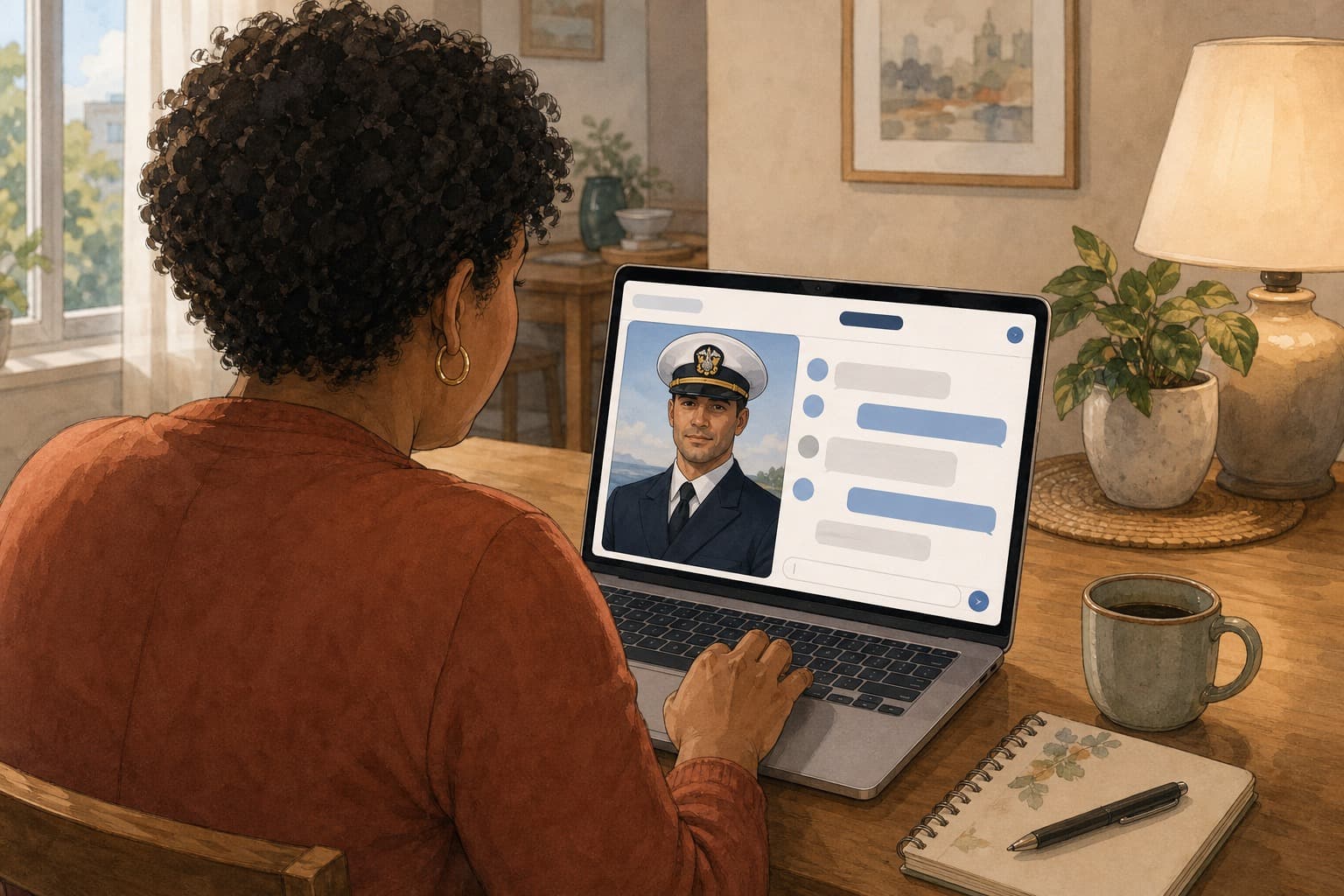
Scammers often claim to be deployed service members because distance, secrecy, and missed video calls can sound plausible. A uniform photo, military vocabulary, or image of an ID is not proof of identity. Be very suspicious if you are asked to send money or ship property to a third party or company.
Keep early safety habits ordinary and firm:
- stay on the dating platform until trust develops;
- use live video calls when circumstances reasonably allow;
- notice whether names, locations, dates, and stories remain consistent;
- run a reverse image search on profile photos;
- do not send money or pay supposed leave, medical, customs, communication, or travel fees;
- speak with a trusted friend before making a major decision.
Our detailed guide to online dating scams explains common military impersonation tactics and what to do if money has already been sent.
Conversations to have before getting serious
Compatibility becomes clearer through specific conversations. Ask about:
- Communication: “When work becomes intense, what kind of update can we realistically expect from each other?”
- Commitment: “What does exclusivity mean to you, especially during time apart?”
- Location: “If you receive orders elsewhere, what choices would each of us actually have?”
- Career and money: “How would we protect both careers and keep finances transparent?”
- Support: “Who do we each turn to when the other person is unavailable?”
- Conflict: “How do we pause an argument and return to it respectfully?”
You do not need to interrogate someone on the first date. Choose questions that fit the stage of the relationship. List of first-date questions about values and lifestyle can help you begin naturally.
Building a relationship that works for both of you

Strong military relationships do not depend on endless sacrifice from one partner. They depend on reciprocal effort under unusual constraints.
Aim for a few durable habits:
- make flexible plans with a clear backup;
- distinguish “cannot disclose” from “will not communicate”;
- keep independent friendships and goals;
- discuss exclusivity rather than assuming it;
- repair disappointments instead of keeping score;
- use qualified support when stress exceeds what the couple can manage alone.
The job may shape the logistics, but the relationship still needs the same foundations as any other: respect, consent, reliability, affection, and room for two whole lives.
Final thoughts
Dating an Army man may involve changed plans, periods apart, and decisions that civilian couples do not face in the same way. It can also become a caring, stable relationship when both people communicate clearly and adapt without erasing themselves.
Judge the person by consistent behavior, not by flattering or negative stereotypes about military service. Stay curious about the lifestyle, protect your financial and emotional boundaries, and ask whether the relationship makes space for both people’s needs.