

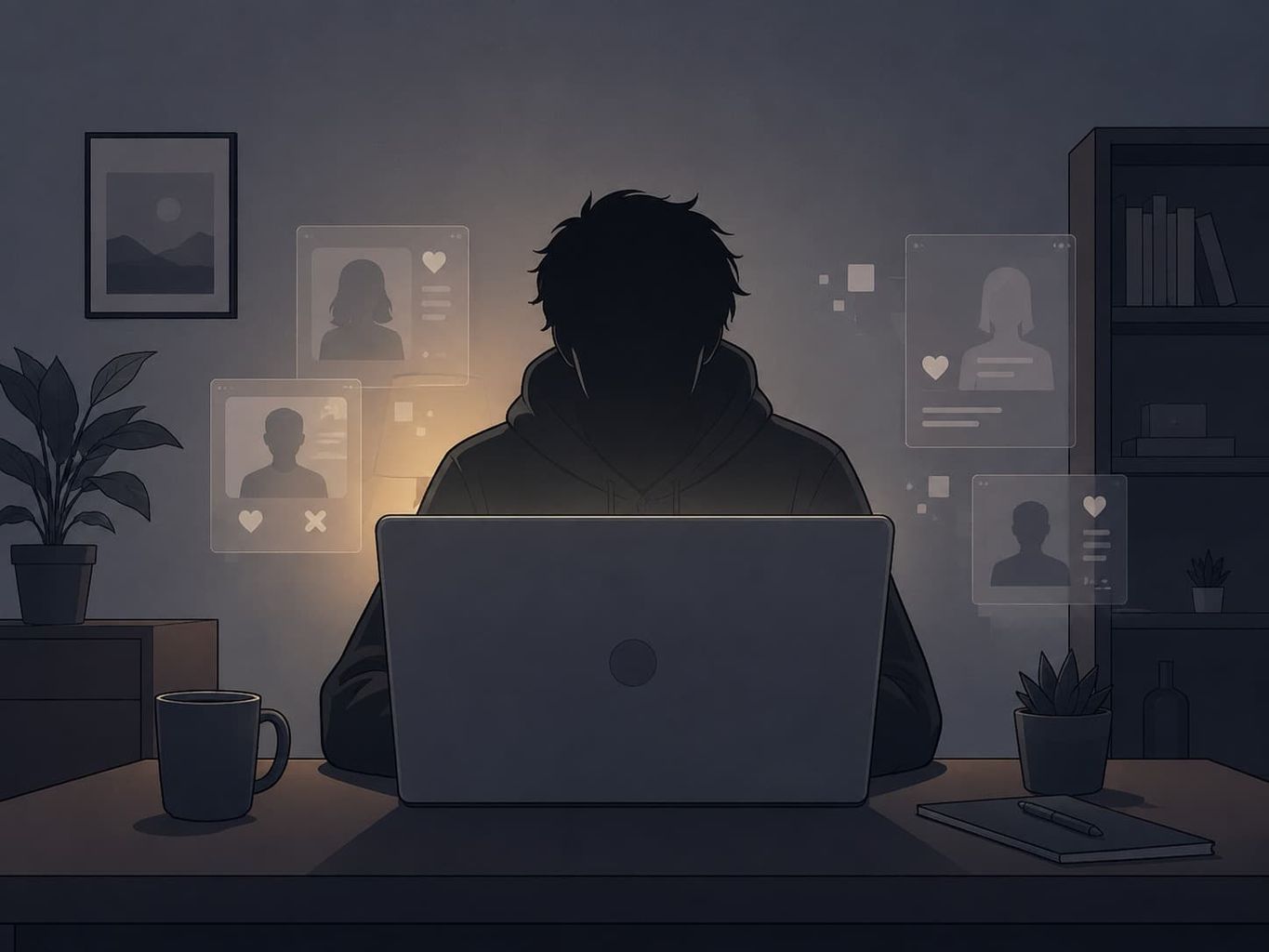
Online dating has made meeting people easier than ever. It has also made deception easier. Online dating scams usually do not begin with obvious red flags or dramatic requests. They begin with conversation, trust, and emotional connection. By the time money is mentioned, many people are already invested.
Trust is supposed to build slowly. Scammers try to put it on fast forward.
"I define trust as a confident relationship with the unknown."
Rachel BotsmanAuthor, speaker, and lecturer known for her work on trust in the digital age
The scale is serious. In the FBI’s 2025 IC3 report, confidence and romance fraud generated 23,159 complaints and reported losses of about $929 million. Among people aged 60 and older, reported confidence and romance fraud losses reached about $584 million. These figures only reflect reported cases, so the real scale is likely higher.
If you have ever wondered how online dating scams work, how to recognize them early, or what to do when something feels off, this guide breaks it down in a practical way. The goal is not to shame anyone. Romance scams work because they target human psychology, not low intelligence.
What online dating scams are
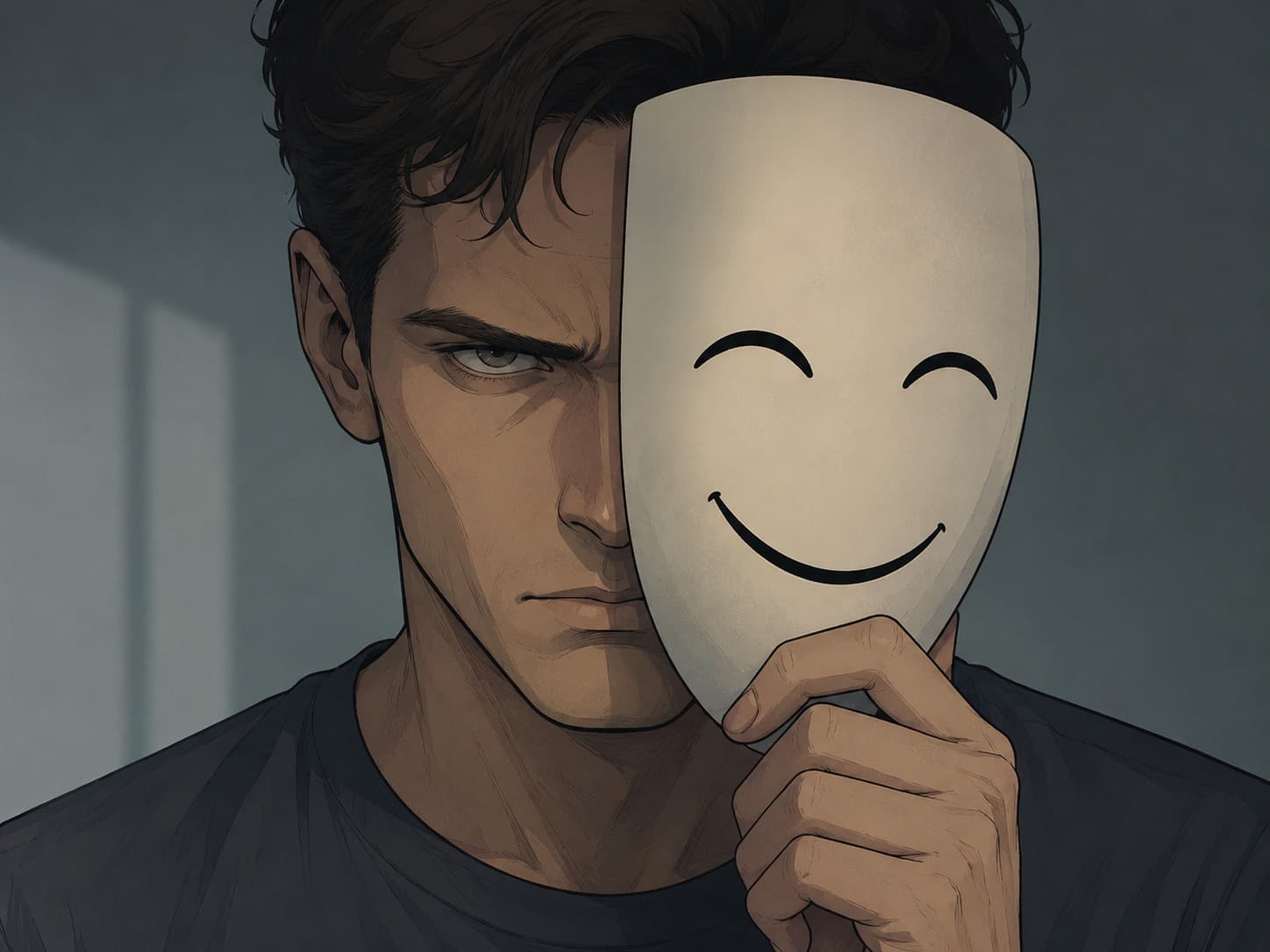
Online dating scams happen when someone pretends to be a romantic partner and uses that relationship to manipulate another person emotionally, financially, or both. These scams can begin on dating apps, but they can also move quickly to social media, messaging apps, email, or text.
Unlike random financial fraud, romance scams feel personal. They rely on emotional trust, future promises, and private conversation rather than obvious pressure from the start. That is why many victims do not recognize the pattern until much later.
The FBI describes romance scams as schemes where a criminal uses a fake online identity to gain affection and trust, then uses the illusion of a romantic or close relationship to manipulate or steal from the victim.
How online dating scams usually work
Most romance scams follow the same broad pattern: a believable profile, fast emotional connection, delayed verification, and then a request involving money, secrecy, investment, or pressure.
Fake but convincing profile
The scammer creates a profile that looks believable:
- attractive but not overly polished photos;
- a job that sounds stable or respectable;
- a location or lifestyle that explains distance, travel, or limited availability.
Stolen photos are common, and reverse image search can sometimes expose them. FTC guidance specifically recommends checking profile photos through reverse image search when something feels suspicious.
Fast emotional connection
The scammer moves quickly:
- frequent messages;
- strong interest;
- compliments and emotional validation;
- language that creates a sense of rare compatibility;
- early talk about love, destiny, or a shared future.
The goal is to create momentum before skepticism has time to catch up. The FBI warns that romance scammers often try to establish the relationship quickly, build trust fast, and then shift toward manipulation.
Moving the conversation off the platform
Soon, they suggest switching to WhatsApp, Telegram, email, or text. That matters because it removes app moderation and makes the interaction feel more private and intimate.
Not every move off-platform is a scam. But in a suspicious interaction, it is a classic step. If someone wants to leave the dating app very quickly, avoids verification, and starts building emotional intensity, slow down.
For a broader checklist of suspicious behavior, see: "Top 10 red flags of online dating"
Crisis, opportunity, or investment angle
Once trust is built, the story changes. A crisis appears:
- a medical emergency;
- a travel or customs problem;
- a deployment issue;
- a business setback;
- an investment idea framed as something for your shared future.
FTC guidance is especially direct here: never send money, crypto, gift cards, bank transfers, wire transfers, or anything else to someone you have not met in person. It also warns that investment pitches from an online love interest are a major scam signal.
The first request may seem small. That is deliberate. Once someone crosses that line, it becomes harder to pull back emotionally. Then the requests grow. This is why many online dating scams do not drain someone all at once. They often do it gradually.
Why smart people fall for romance scams

One of the most damaging myths is that only gullible people fall for these scams. That is not true. Romance scams are designed to work around logic, not by attacking it directly, but by postponing it.
Scammers listen carefully. They mirror values, fears, and hopes. They make the other person feel understood. Once emotional attachment is in place, doubt starts to feel like betrayal. That is why people often ignore inconsistencies that would have looked obvious from the outside.
This is not about stupidity. It is about emotional manipulation, pacing, and trust.
"The methods used are intimately aligned with those we see in coercive control and domestic abuse."
Dr Elisabeth CarterCriminologist and forensic linguist, Associate Professor at Kingston University, and researcher of romance fraud
How scammers adapt to different targets
There is no single victim profile. Scammers adapt their story to the person they are talking to.
With one person, they build a deep emotional bond. With another, they blend romance with an investment pitch. With another, they push sexual intimacy fast and turn it into blackmail. The tactic changes, but the structure stays the same: trust first, pressure later.
That is why awareness matters more than demographics. The strongest protection is not age, gender, or experience. It is the ability to slow the interaction down and verify what is real.
The psychology behind online dating scams
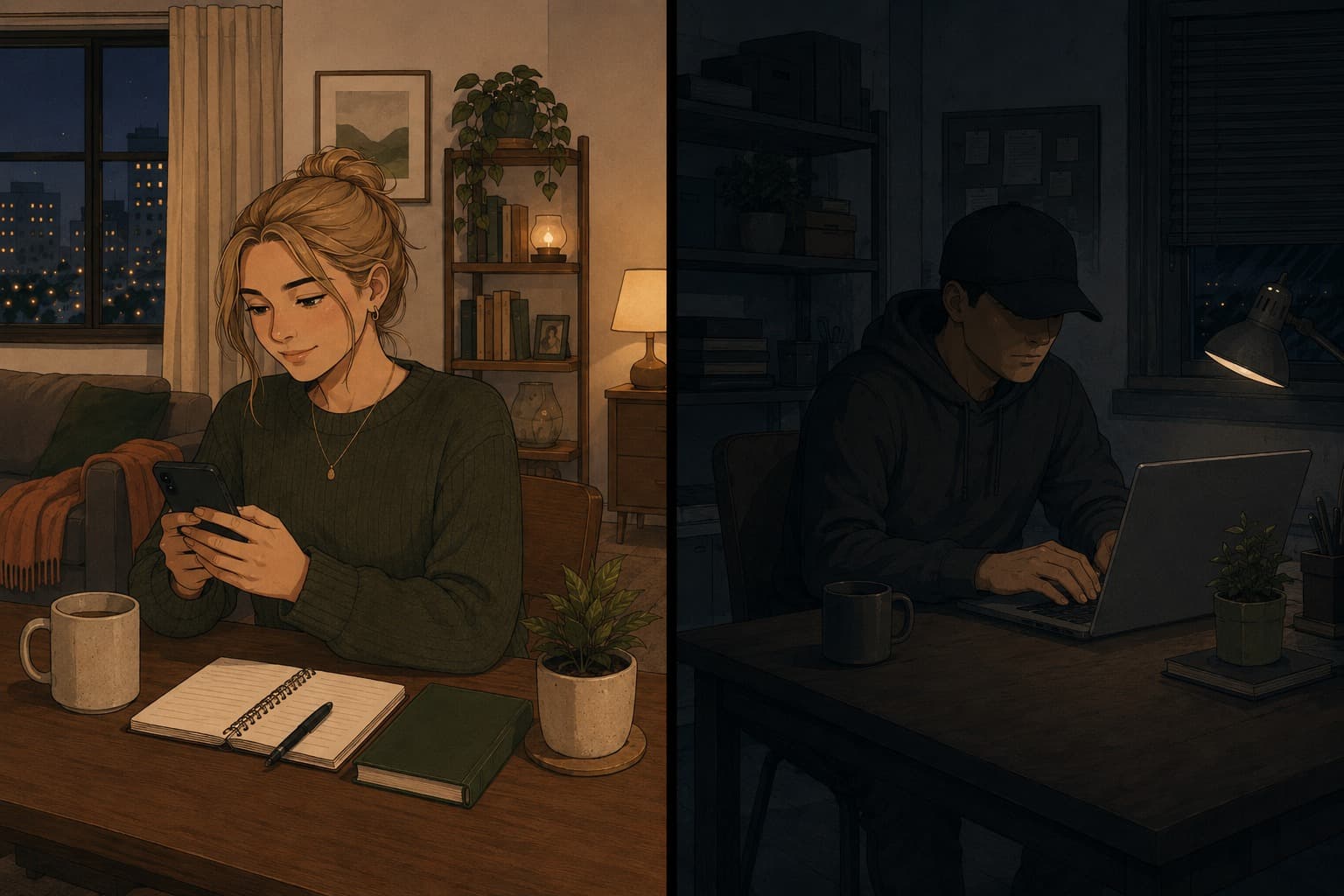
The core of a romance scam is emotional conditioning. One powerful mechanism is intermittent reinforcement. The scammer alternates warmth with distance, attention with disappearance, reassurance with mild tension. That pattern keeps the other person engaged and trying to get back to the earlier version of the connection.
Another mechanism is mirroring. Scammers reflect back the target’s values, goals, fears, and relationship language. That makes the connection feel unusually strong.
Then cognitive dissonance takes over. Once someone has invested emotionally, and especially financially, it becomes much harder to accept the truth. The mind starts protecting the hope instead of confronting the pattern. That is why these scams can feel real for so long.
Why scammers avoid real-world verification
One of the clearest warning signs is resistance to verification.
Delayed or refused video calls
Scammers often claim:
- the camera is broken;
- the internet is too weak;
- work rules do not allow video;
- military or security policy prevents it;
- they are too busy because of travel, deployment, or a contract.
These excuses are common because even a short real-time call can expose the lie. FTC and FBI guidance repeatedly warn that scammers avoid in-person meetings and delay verification.
Meetings that never happen
Many scam stories include near-meetings:
- next month;
- after this contract;
- after this deployment;
- once a package clears customs;
- once one final payment is made.
The meeting is always close enough to keep hope alive and always far enough away to avoid accountability.
Fake transparency
Sometimes scammers send blurry IDs, cropped documents, partial screenshots, or fake work documents to simulate openness. But real verification never gets completed.
In a real relationship, proof tends to happen naturally. In a scam, it stays just out of reach.
Simple verification messages you can use
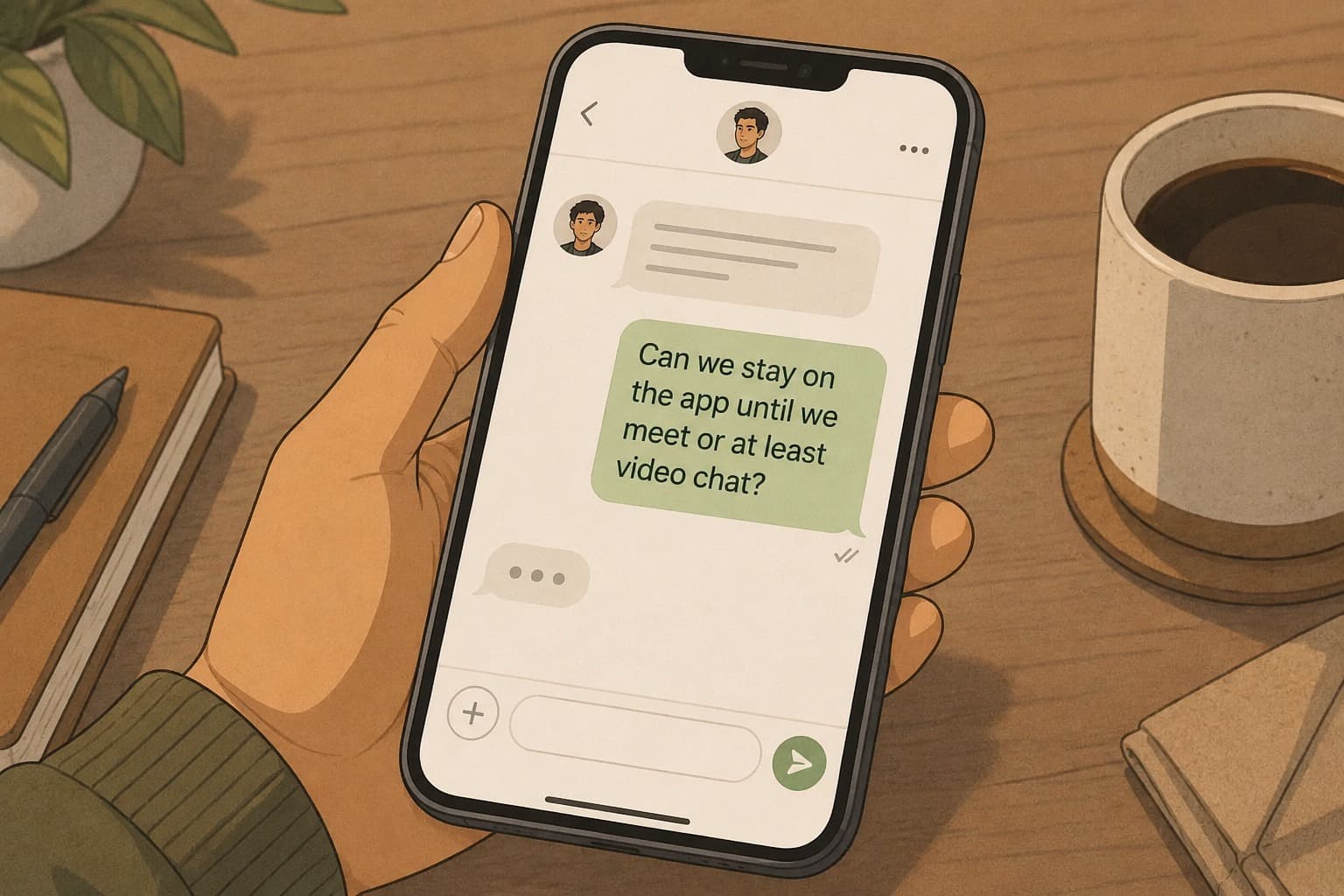
You do not need to accuse someone to check whether they are real. Keep the message calm and practical.
You can write:
- "I’d feel more comfortable if we had a short video call before getting closer."
- "Can we stay on the app until we meet or at least video chat?"
- "I don’t send money or invest with people I haven’t met in person."
- "I’m not comfortable keeping this relationship secret from people close to me."
- "If we are building something real, verification should not be a problem."
A real person may understand the need for safety. A scammer is more likely to guilt you, avoid the request, or create a new emergency.
AI, deepfakes, and more convincing scams
Modern romance scams can look more convincing than older scam scripts. Some scammers use AI-generated photos, stolen social media content, voice tools, or edited videos to make a fake identity feel real.
That does not mean every attractive or unusual profile is fake. It means verification should rely on real-time consistency, not just photos. A short live video call, consistent details over time, normal social history, and willingness to meet safely are much stronger signals than polished images or emotional messages.
The FBI’s 2025 IC3 report also tracks AI-related complaints as a descriptor across cyber-enabled fraud, including confidence and romance fraud. In that report, AI-related confidence and romance fraud losses were listed at about $19 million.
If something feels too intense, too perfect, or too hard to verify, slow down. Scammers benefit from speed. Real trust can handle a pause.
Common types of online dating scams

Romance investment scams
The scammer gradually introduces trading, crypto, gold, forex, or another investment as part of a shared future. They may show fake profits, fake dashboards, or screenshots that make the opportunity look real.
This is one of the clearest modern warnings: if an online love interest offers to help you invest, especially in cryptocurrency, treat it as a scam signal. The FTC says promises from an online friend about increasing your savings should be met with a hard no.
Military romance scams
These scams remain common because military service gives scammers built-in excuses for distance, secrecy, delayed calls, and postponed meetings.
Requests may appear for leave fees, shipping, travel, medical costs, or other fake expenses. Real service members do not need strangers from dating apps to pay official military fees.
Emergency or crisis scams
A sudden illness, injury, accident, jail problem, or family crisis appears, and the request is framed as temporary help. The story often sounds urgent and emotional because the scammer wants you to act before you verify.
Sad stories are often scam stories when they lead to money requests. In 2022 reports to the Consumer Sentinel Network, 24% of romance scam reports involved the claim that the scammer or a family member was sick, hurt, or in jail.
Sextortion scams
The scammer pushes intimacy quickly, gets explicit photos or video, then threatens exposure unless money is paid. Even when a victim pays, the threats often continue.
This kind of scam can feel especially frightening because it uses shame and panic. If it happens, stop responding, save evidence, and report the threat. Do not keep paying.
Long-term emotional scams
Some scams do not ask for money for a long time. The scammer builds dependence first and only asks once trust is deep. That makes the eventual loss both financial and emotional.
A long delay before the money request does not make the relationship safer. It can simply mean the manipulation phase lasted longer.
Common scam tactics
These behaviors rarely appear alone. They usually work together.
Common tactics include:
- repeated avoidance of video calls;
- emotionally intense language very early;
- poor or inconsistent details hidden behind heartfelt messages;
- quick talk about love, destiny, or long-term plans;
- constant excuses for why real-life verification cannot happen;
- requests for privacy or secrecy;
- calm deflection when you ask reasonable questions;
- pressure to act quickly before you can think.
Scammers rely on combinations of these tactics, not one single giveaway.
Signs of an online dating scammer
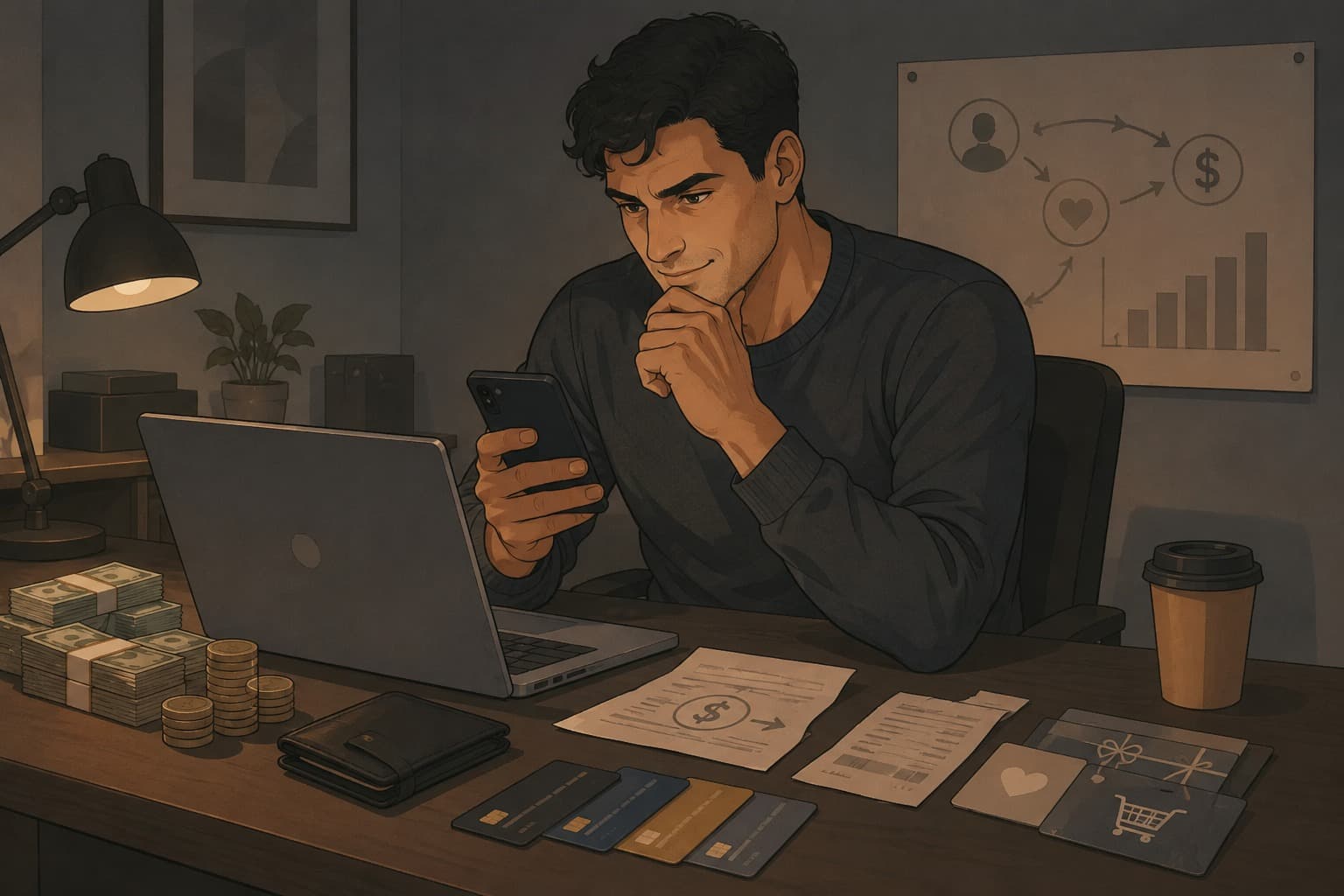
If you are trying to work out whether something is wrong, look for patterns rather than one isolated moment.
Emotional red flags
- excessive affection early;
- guilt-based language;
- victim stories that always pull you closer;
- pressure to trust faster than feels natural;
- language that makes doubt feel like betrayal.
Verification red flags
- refusal to video call;
- inconsistent details about work, travel, family, or time zone;
- repeated postponement of meeting;
- fake-looking documents or partial proof;
- excuses that always explain why verification is impossible.
Financial red flags
- requests for gift cards, wire transfers, crypto, or "temporary help";
- investment talk from someone you only know online;
- promises to pay you back later;
- stories that require secrecy;
- pressure to use a payment method that is hard to reverse.
Never send money or gifts to someone you have not met in person. Scammers often prefer payment methods that are fast, hard to reverse, or difficult to trace. That is why gift cards, wire transfers, cryptocurrency, payment apps, and prepaid cards are common in romance scams.
A safe rule is simple: if someone you met online asks you to pay through a method that feels urgent, unusual, or hard to recover, stop and verify before doing anything.
How to spot online dating scams early
If you want to slow the situation down and test it without drama, ask yourself a few simple questions:
- Can this person verify who they are?
- Do their stories stay consistent over time?
- Are they pushing emotional intensity too fast?
- Have money, debt, or investment topics appeared before any real verification?
- Are they trying to isolate the relationship from an outside perspective?
- Do they avoid normal questions but expect your trust anyway?
Real trust grows through time, consistency, and shared reality. It does not need urgency, secrecy, or money.
For more guidance on pacing, boundaries, and safer early dating behavior, see: "Dating rules that actually make dating better"
Quick scam check before you trust someone online
Before you get emotionally or financially involved, slow down and check the basics.
Ask yourself:
- Have I seen this person on a real-time video call?
- Do their photos appear anywhere else under another name?
- Do their stories stay consistent over several conversations?
- Are they avoiding specific questions about where they live, work, or travel?
- Have they asked for money, crypto, gift cards, help with documents, or investment?
- Are they trying to move the relationship away from friends, family, or the dating app?
One odd detail does not always prove a scam. But several warning signs together should be enough to slow down or end the conversation.
How to protect yourself
The best protection is not paranoia. It is pacing.
Keep conversations on the platform at first
Dating apps and social platforms are not perfect, but they give you at least some moderation, blocking, and reporting options. Moving too quickly to private messaging can make the interaction harder to track and easier to manipulate.
Never send money
Do not send gift cards, wire transfers, crypto, temporary help, investment funds, package fees, customs fees, medical money, or travel money to someone you have only met online.
If the relationship is real, it can survive a financial boundary. If the person becomes angry, guilty, urgent, or emotionally punishing when you say no, that is important information.
Verify before trust deepens
Use video calls. Check whether their social media history looks consistent. Try a reverse image search on profile photos. Ask specific questions and notice whether the answers stay consistent over time.
FTC and FBI guidance both recommend slowing down, asking questions, and researching profile details when something feels suspicious.
Talk to someone you trust
FTC guidance repeatedly advises talking to friends or family about a new online love interest and paying attention if they are concerned. Outside perspective often breaks the spell faster than private thinking does.
Scammers often try to isolate people. A real connection should not require secrecy from everyone who cares about you.
How to check profile photos
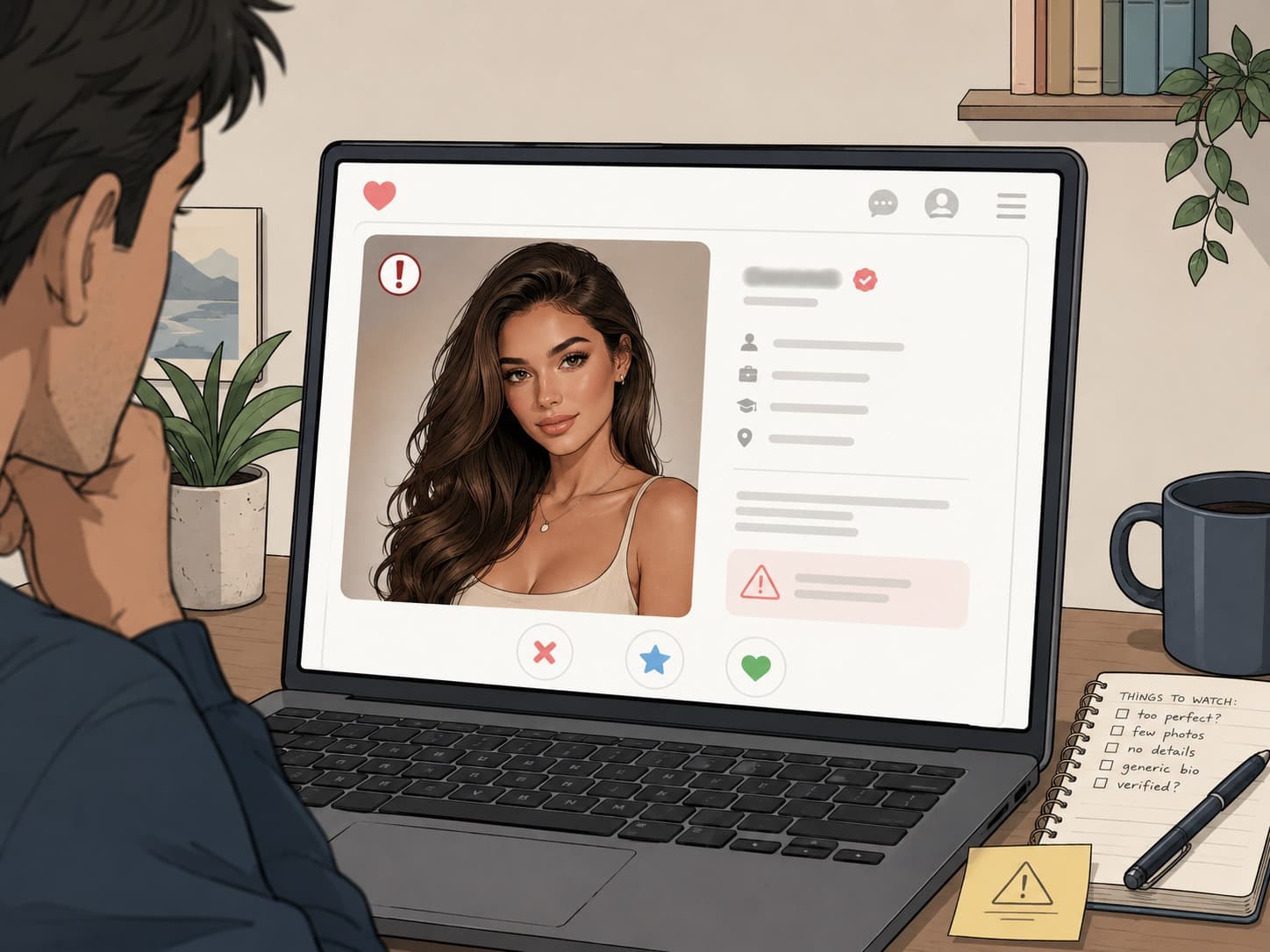
A reverse image search can help you see whether the same photo appears under another name or on unrelated websites. It is not perfect, but it is a useful first check.
You can also look for small inconsistencies: photos that look too polished, images from different climates or countries, no casual everyday pictures, or a profile that has only one or two photos. Scammers often use stolen images that look believable enough to build trust, but not personal enough to show a real life.
If the person refuses video calls and their photos do not connect to a consistent real-world identity, treat that as a serious warning sign.
Basic safety rules for online dating
A few simple rules prevent most of the damage:
- never send money to someone you have only met online;
- never send gift card numbers, crypto, or wire transfers;
- never share private identity documents;
- never invest based on advice from an online romantic interest;
- never keep relationship secrets that isolate you from trusted people;
- never let guilt override verification;
- never ignore repeated excuses that block real-world proof.
These are not extreme rules. They are basic online dating safety.
What to do if you think you have been scammed
If you think you have been scammed, act fast. The faster you act, the better your chance of stopping payments, preserving evidence, and reducing further harm.
Take these steps:
- Stop communication immediately.
- Save messages, screenshots, usernames, email addresses, phone numbers, payment receipts, crypto wallet addresses, and any documents.
- Report the account to the dating app, social media platform, or messaging service.
- Contact your bank, card issuer, wire service, crypto exchange, or gift card company right away.
- Report the scam to the FTC, FBI IC3, and local law enforcement or cybercrime units where relevant.
FTC guidance says that if you paid a romance scammer by gift card, wire transfer, credit or debit card, or cryptocurrency, you should contact the company or your bank right away, tell them you paid a scammer, and ask whether they can refund the money.
The FBI also advises victims to stop contact and report romance scams through IC3.
Why reporting matters
Many people do not report romance scams because they feel embarrassed, believe nothing will happen, or assume the scammer is out of reach.
But reporting still matters. It helps platforms improve detection, helps banks and payment providers flag patterns, and helps law enforcement build intelligence around repeat scripts and networks.
Even if reporting does not recover everything, it can still protect future victims.
Emotional recovery after a romance scam
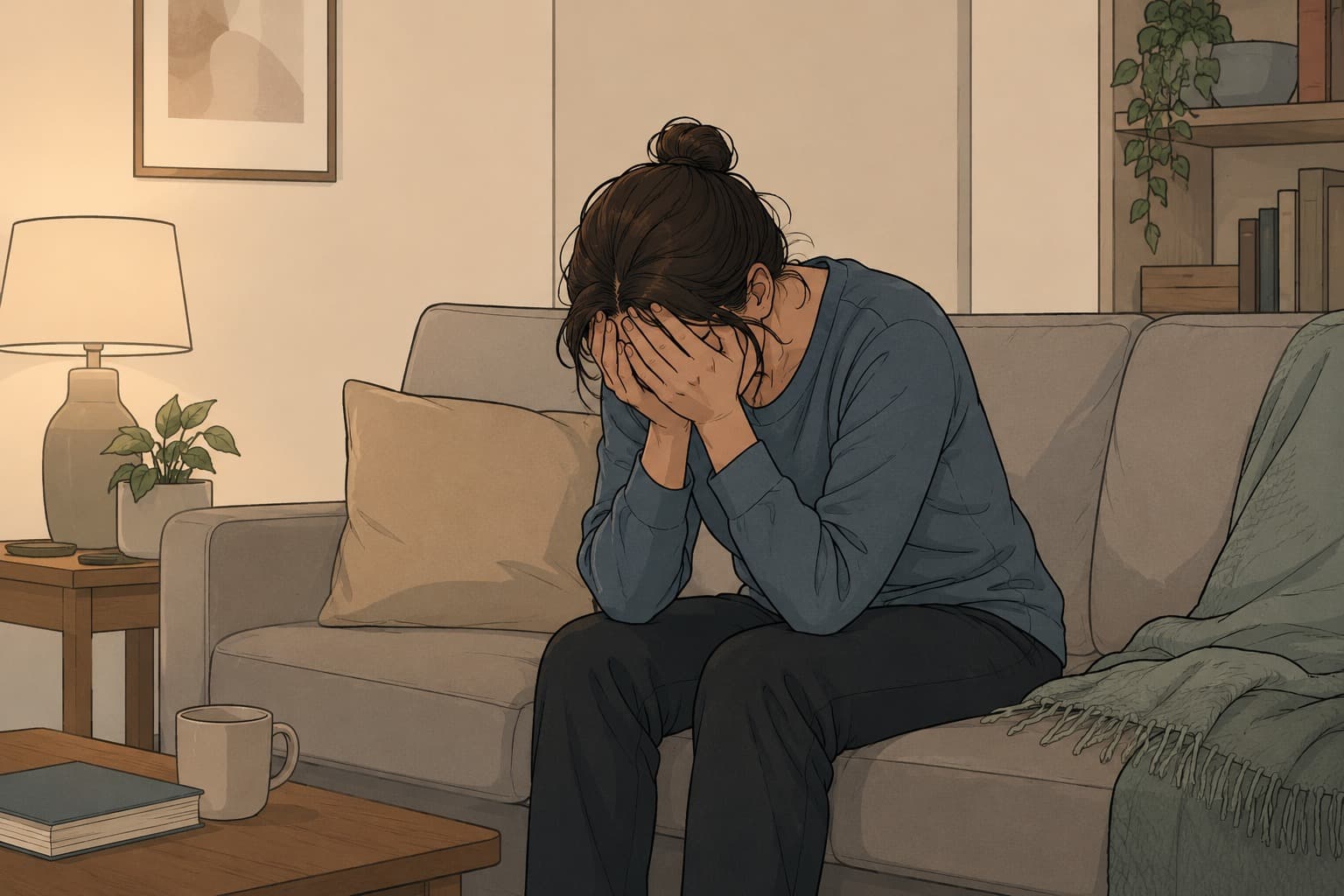
The damage often goes beyond money.
Victims may feel:
- shame and self-blame;
- grief for the relationship they thought was real;
- distrust toward future connections;
- isolation and reluctance to talk about what happened;
- anger at themselves for missing warning signs.
That emotional impact is real. Many people do not only feel robbed. They feel attached, humiliated, and destabilized all at once. That is why recovery often needs emotional support as much as financial action.
A trusted friend, therapist, support group, or victim support organization can help you process what happened without turning it into a permanent story about your judgment or worth.
Rebuilding trust after fraud
Recovery takes time. Often the hardest part is learning to separate trust from gullibility.
Trust itself was not the mistake. The deception was.
Healthier dating after a scam usually includes:
- slower pacing;
- early verification;
- firmer financial boundaries;
- less one-sided emotional disclosure;
- more attention to consistency than intensity;
- willingness to talk to trusted people before making big decisions.
Caution does not mean closing off completely. It means choosing more carefully.
Online dating can still be safe
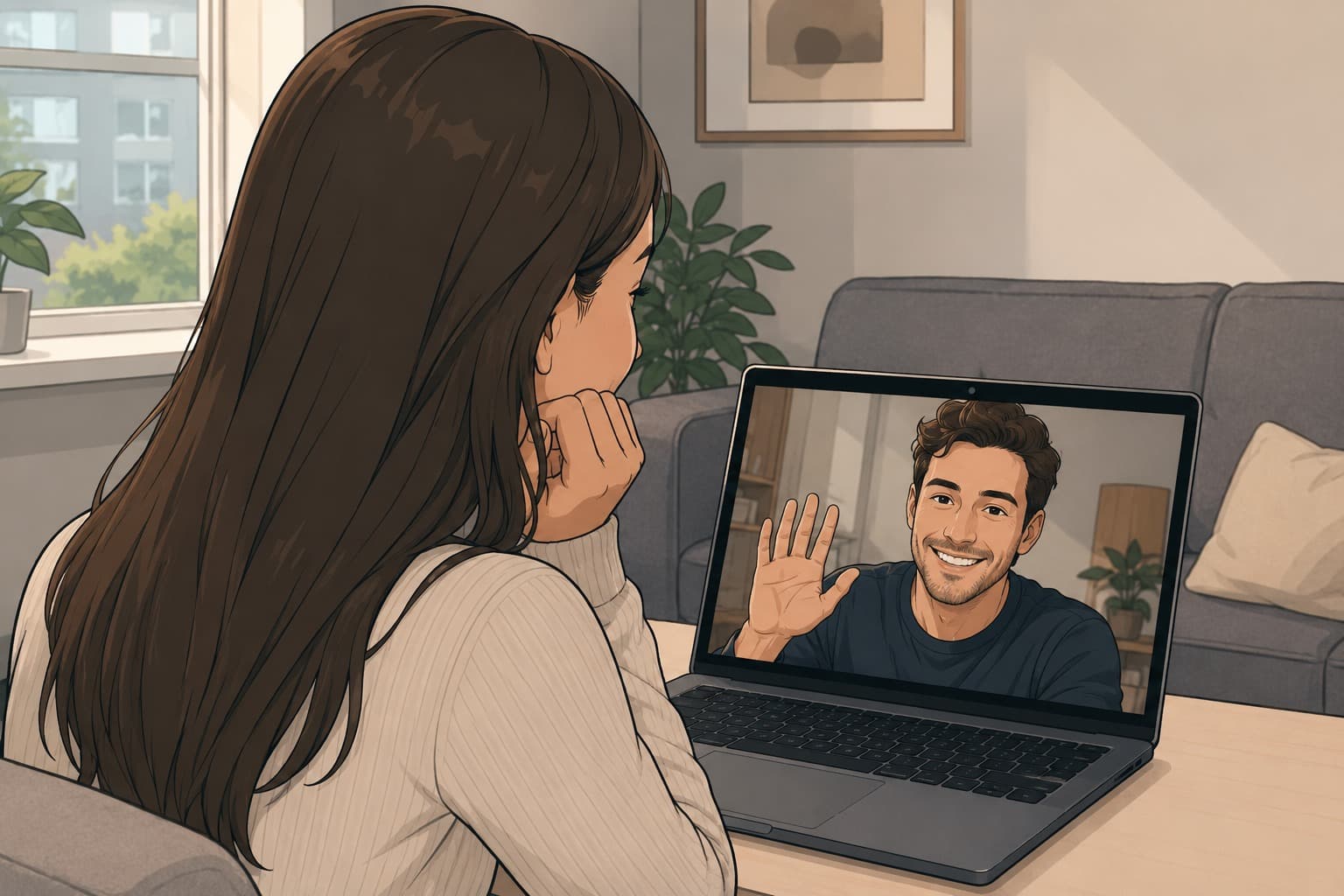
Online dating itself is not the problem. Scammers are.
Healthy online dating usually includes:
- gradual trust;
- reasonable identity verification;
- clear financial boundaries;
- emotional boundaries that do not move too fast;
- transparency without pressure.
A real relationship does not require secrecy, emergency transfers, or investment advice. The right person will not punish you for wanting proof, time, and clarity.
Most online dating scams follow the same structure: a believable profile, quick emotional connection, delayed verification, and then some form of money request or coercion. Real relationships work differently. They allow time, transparency, and basic reality checks.
If communication starts to feel rushed, secretive, emotionally manipulative, or financially loaded, treat that discomfort as information. You do not need to prove every detail before protecting yourself.
Being careful does not make you cynical. It means you take your time, your emotions, and your safety seriously. In online dating, awareness is not fear. It is self-respect.