


The most useful dating rules for women are straightforward: be honest about your intentions, choose meeting plans that give you options, respect each other's boundaries, and judge compatibility through behavior over time. You can initiate a date, suggest splitting the bill, or take time before becoming intimate. None of those choices determines your worth or obliges you to continue seeing someone.
There is no single set of female dating rules that fits every woman. Your orientation, culture, access needs, and stage of life may shape your choices. Use the guidance below to make decisions that suit you, with mutual respect as the starting point.
Start with your intentions and capacity
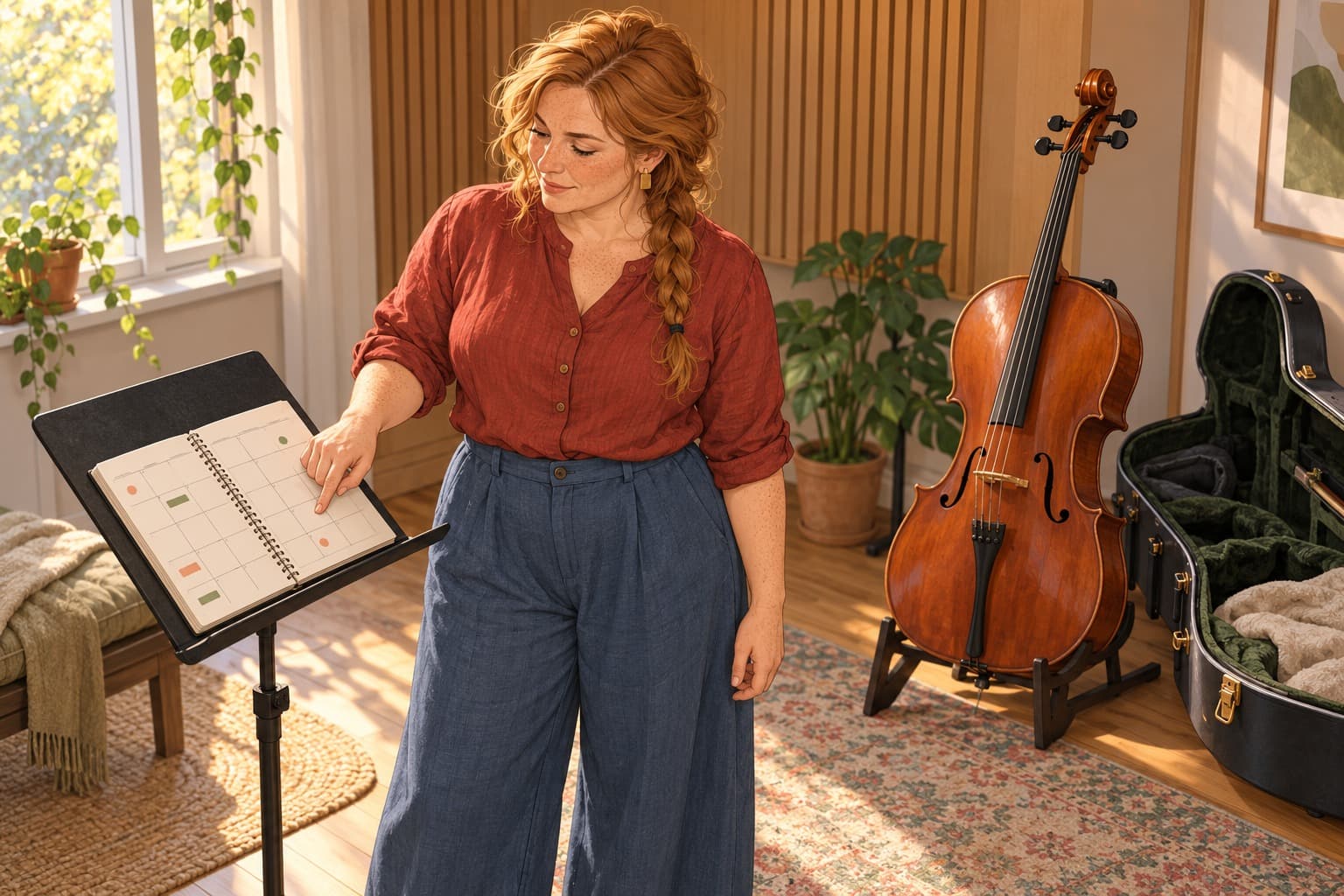
Before opening an app or accepting a date, consider what you can offer now. You might want a lasting relationship, something casual, or a chance to meet people while you work out your preferences. Uncertainty is a position you can communicate honestly.
For example: "I am open to a relationship, but I want to get to know someone gradually." If you know you want something casual, say that rather than leaving a more serious possibility implied.
Our guide to casual dating and its boundaries explains the agreements that can still matter when commitment is not the goal.
Think about practical capacity too. If work, parenting, or recovery from a breakup leaves little room for dating, you can choose fewer dates or pause. You do not need perfect confidence or a settled life to meet someone. You do need room to notice how the experience feels and to make your own choices.
Make a safety plan for early dates
For an early meeting, choose a busy public venue and arrange a way home that does not depend on your date. Tell someone you trust where you are going, when you expect to finish, and how to contact you. Agree on a check-in if that would help. Keep your home address private until you choose to share it.
Love is respect's online dating guidance recommends public meetings, telling a trusted person your plans, and considering your own transport. These precautions give you more options; they cannot guarantee safety. Responsibility for harassment or violence always belongs to the person who causes it.
If a cafe date turns into a suggestion to drive somewhere secluded, you can decline the change: "I am staying here today. We can plan something else another time." You can leave whenever you want. You do not have to wait for proof that something is wrong or stay to avoid seeming rude.
If you feel threatened, move toward staff or other people, contact someone you trust, and seek local emergency help if needed.
Meetty's online dating safety checklist offers a fuller plan for moving from messages to a first meeting.
Keep boundaries specific and consent ongoing

A boundary describes what you are comfortable with and what you will do to protect that limit. It might concern touch, sexual activity, privacy, time, or how someone speaks to you. State it in everyday language: "I am not sharing my address yet" or "I can meet on Saturday, but I need to leave by eight."
You can care about someone and still protect your own needs.
"You can be in a healthy relationship with others and take care of yourself. Healthy people want you to be able to be happy and healthy. You are not kind to yourself when you neglect your needs for the needs of others.”"
Your date may have different preferences. They can explain those preferences or decide the connection does not fit; pressure is a different matter. You can also change a boundary because you want to. Boundaries should support your needs rather than control another person's friendships or choices.
Sexual consent requires a clear, voluntary agreement and ongoing communication. Agreeing to a date, a kiss, or one sexual activity does not establish agreement to anything else. Consent can be withdrawn during an activity. If someone becomes silent, freezes, pulls away, or seems unsure, stop and check in.
You do not owe someone repeated warnings after pressure or unwanted contact. If you fear an angry or violent response, prioritize support and a safer way to leave over a face-to-face explanation.
Use the first few dates to learn about each other
Coffee, a museum, or a busy market can give you time to talk without committing to a whole evening. Choose something affordable and accessible for both of you. The first three dates are an opportunity to learn; they are not a deadline for sex, certainty, or commitment.
Ask about the person's daily life, interests, and hopes, and share enough of your own experience for the conversation to be mutual. A question such as "What does a good weekend look like for you?" can open a discussion about routines without making the date feel like an interview.
If conversation stalls, try a few of these first-date questions.
Notice small agreements: do they tell you if they are running late, listen when you speak, and accept your preferences? Courtesy toward staff is worth noticing, but a pleasant interaction cannot establish someone's character or predict how they will treat you later. Let your impression develop across different situations.
Arrive on time, put your phone away when practical, and discuss the bill rather than assuming a gender rule. You might say, "Shall we split this?" or "Thanks for offering; I would prefer to pay for mine." Accepting a meal or a gift creates no obligation to offer affection or another date.
Say what you mean in conversation and texts

Direct communication gives the other person something concrete to respond to. Instead of hoping they notice that late-night messages do not work for you, explain when you are usually available. Ask about their preferences too.
"Ask for what you want and need. Speak about your preferences, your hopes and expectations. Many of us do not disclose their needs out of fear and discomfort."
Anna AslanianLicensed marriage and family therapist and Certified Gottman Therapist.
You can message first and suggest a specific plan: "I enjoyed talking with you. Would you like coffee on Sunday afternoon?" There is no need to delay a reply to appear less interested. Equally, you do not have to remain available throughout the day.
A slow reply by itself does not tell you why someone is unavailable. If the pattern makes planning difficult, ask once: "Do you still want to meet this week?" Then decide whether the response and follow-through work for you. You do not have to keep sending messages to hold the connection together.
Use a call or an in-person conversation for a complicated discussion if that suits both of you. Text can also be a reasonable choice when you communicate more clearly in writing, need an accessible format, or want distance while ending contact. Match the medium to the situation.
Protect your privacy on dating apps
Use recent photos and a profile that reflects your actual interests and intentions. Specific details make it easier to begin a conversation: "I enjoy weekend food markets" gives someone more to respond to than a list of vague qualities.
Keep early conversations on the app if you prefer, and avoid sharing your address, workplace location, daily route, or financial details. An optional voice or video call can help you decide whether you want to meet. Treat it as a conversation, not proof of identity or trustworthiness.
Be especially cautious if a match asks for money, gifts, or investment payments. The Federal Trade Commission's romance-scam guidance describes fake emergencies and cryptocurrency pitches and advises against sending money or gifts to someone you have not met in person. Meeting someone does not make a financial request safe either.
If messages become threatening or abusive, use the platform's reporting and blocking tools. You can keep relevant messages if doing so is safe. You are free to unmatch without defending your decision or continuing an unwanted conversation.
Separate compatibility from early chemistry
Attraction is one part of your experience. Compatibility also involves what you want from dating, how you treat each other, and whether your lives can fit together. Ask about a few matters that would change your decision, such as children, relationship structure, religion, location, or major lifestyle commitments.
You can be curious without assuming an answer from someone's age, identity, disability, or cultural background. Try "What does dating usually look like for you?" or "Are there any access needs we should consider when choosing a venue?" Share your own needs as well.
Distinguish a preference from a requirement. You might enjoy having music in common but need agreement about whether to have children. A respectful person can still be the wrong match. You can acknowledge that difference without treating either person's position as a fault.
Choose a pace that leaves room for your life
Keep time for friends, rest, work, and interests as you get to know someone. Share personal experiences when you want to, rather than feeling you must disclose everything to prove that you are serious. More frequent contact is an option to discuss, not an automatic next stage.
After a date, note what you enjoyed, what felt uncomfortable, and what you still want to understand.
"Treat this like research, and make notes about what worked and didn’t work on your last date. Think about your communication leading up to that date. Are there things you know now that you could learn from for your future dating?"
Stacy HubbardLicensed marriage and family therapist and Certified Gottman Therapist.
Source: Keeping up hope while dating
Use that reflection to understand your experience rather than score the other person. Perhaps you enjoyed the conversation but agreed to another date before checking your schedule. Next time, you could say, "I would like to see you again. Let me check my week and suggest a day."
If dating is repeatedly disrupting your sleep, work, or daily life, consider slowing down or taking a break. Support from someone you trust or a qualified therapist may help if distress persists. You do not need to diagnose your attachment style to decide that the current pace is too much.
Our guide to getting to know someone before dating explores pacing in more detail.
Define exclusivity through an explicit agreement

Discuss exclusivity when the answer would affect your choices. You do not need to wait for a particular date number. A simple opening is: "I would like to date exclusively. How do you feel about that?"
Clarify what you each mean. You may need to discuss seeing other people, sexual exclusivity, dating-app use, or a relationship label. These decisions can be related, but none automatically establishes the others. Dating and being in a relationship can mean different things until you agree on expectations.
If someone is unsure, ask what they can offer now and decide whether that works for you. You can give yourself time to think or end the connection. Avoid treating uncertainty as a promise of future commitment. Likewise, be honest if you do not want the relationship the other person is asking for.
Address disagreements and watch what changes
For an ordinary disagreement in a relationship where you feel safe, name the specific behavior, explain its effect, and ask for a practical change. For example: "When our plans changed without a message, I waited at the cafe. Please tell me if you need to cancel."
Before raising a concern, take a moment to identify what happened and what you need next.
"Take responsibility for assessing your own feelings before presenting them to your partner. Whereas anger and frustration are legitimate emotions, further exploration might reveal that in fact you feel annoyed or sad about a situation."
Sanaa HyderPsychotherapist and relationship writer.
That reflection concerns how you express a feeling; it does not make you responsible for another person's harmful behavior. Listen to their explanation, then notice whether the agreement changes what happens next. An apology matters alongside follow-through.
If the behavior involves intimidation, sexual pressure, threats, or attempts to control your friendships, you do not have to keep trying a better communication script. Seek support and prioritize your safety. A respectful ending after an ordinary mismatch might be, "Thank you for meeting me. I do not want to continue dating." If further contact feels unsafe, you can stop responding or block the person.
Let respect guide the next decision

Before arranging another date, ask yourself: do I want to see this person again, can I be honest with them, and do their actions fit what I need? You may choose another meeting, a clearer conversation, a slower pace, or an ending.
You can make that choice with the information you have. Neither a good date nor a disappointing one decides your value, and following dating advice cannot guarantee a particular outcome.