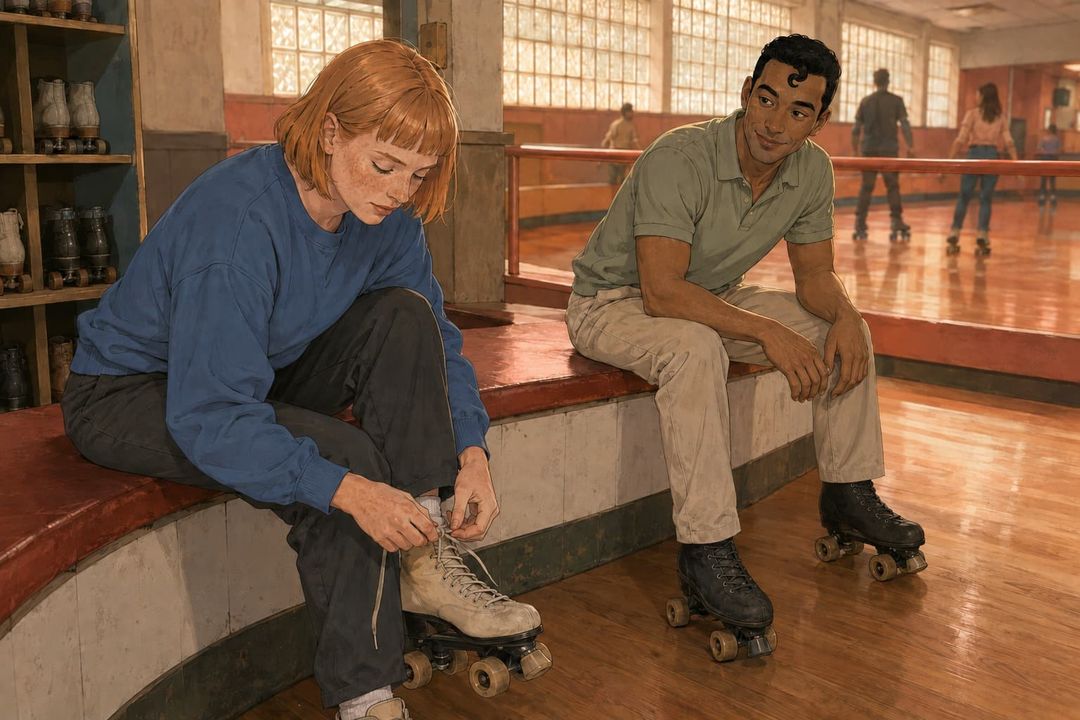


A first date can feel exciting and intimidating at the same time. You want to make a good impression, but you also want to stay true to yourself. The goal is not to perform perfectly, but to feel prepared enough to be natural.
Even when you are excited about someone, a first date is usually still a chance to test the waters. That is why nerves, awkwardness, and a little uncertainty are completely normal.
This guide covers the basics of a good first date: mindset, venue, conversation, etiquette, follow-up, and the small things that help the whole experience feel more comfortable.
The right mindset for a first date
The best first-date mindset is simple: stop trying to impress and start trying to connect.
"A first date shouldn’t be an interview for a relationship."
Matthew HusseyBritish dating coach, author
A lot of people go into a first date focused on saying the right thing, looking perfect, and making sure they come across well. That kind of pressure usually creates anxiety and makes it harder to be present.
A better question is not "Will they like me?" but "Am I showing up as myself?" When you stop treating the date like a performance, it becomes much easier to relax and have a real interaction.
Nerves are normal, even for confident people. They do not mean something is wrong. A few small habits can help:
- Take a short walk before the date.
- Listen to music that helps you feel grounded.
- Set one or two simple intentions, like "I want to enjoy the moment" or "I want to stay curious."
- Let go of the idea that the date has to lead somewhere.
Presence matters more than perfection. When you feel rooted in yourself, the date usually feels easier for both people.
Activities and venues that make a first date easier

The best first-date settings are usually low-pressure, comfortable, and easy to talk in.
A good first date is not about expensive food or a dramatic setting. It is about choosing a place where both people can relax and have a real conversation. Loud clubs, formal dinners, or high-pressure plans can make things feel stiff too early.
Good first-date options include:
- coffee and a walk;
- brunch instead of dinner;
- bookstores, museums, or art galleries;
- mini-golf, bowling, or trivia nights;
- farmer’s markets or food festivals.
These settings give you something to do while still leaving space for conversation. They also help if either person feels nervous, because the attention is not only on talking nonstop.
A good first date should feel light, simple, and comfortable. That usually matters much more than trying to make it impressive.
Appearance and first impressions
Appearance matters, but it should not become the main focus. You do not need to look perfect. You just need to look like you made an effort and feel comfortable in what you are wearing.
First impressions are often about energy, cleanliness, and authenticity more than style itself. When you feel good in your clothes, that confidence usually comes through in your posture, eye contact, and tone.
A few basics matter most:
- dress for the setting;
- keep grooming neat and simple;
- wear something comfortable;
- maintain relaxed posture and natural eye contact.
For men, that might mean a well-fitting shirt, clean shoes, and clothes that look intentional without being overdone.
For women, that might mean an outfit that feels natural, easy to move in, and appropriate for the setting.
The point is not to look flashy. The point is to look like yourself on a good day.
Conversation that creates a real connection

Good first-date conversation is not about collecting facts like an interview. It is about sharing small stories, reactions, and moments that reveal personality.
Instead of treating the date like an interview, focus on topics that make it easier to see how someone thinks and what they enjoy. Jobs, family, and where someone lives can come up, but they should not be the whole conversation.
Better conversations usually come from curiosity. For example, instead of asking only "What do you do?", you can ask, "What do you actually enjoy about your work?" or "What has been taking most of your energy lately?"
Ask follow-up questions. Share something personal without oversharing. Let the discussion move naturally instead of forcing a script.
"Showing genuine interest and curiosity will take you a very long way."
Vanessa Van EdwardsBehavioral researcher, founder of Science of People
Handling quiet moments without panic
A quiet moment does not mean the date is failing. Silence is a normal part of two people getting to know each other.
If the conversation slows down, do not panic. You can simply shift gears. Ask a lighter question, comment on something around you, or suggest a small change like getting another drink or taking a short walk.
A little humor can help too. Something as simple as "I think we just hit the classic first-date pause" can make the moment feel lighter.
One awkward pause does not ruin a date. Being able to stay calm through it usually makes you come across as more relaxed and emotionally steady.
Topics worth avoiding early on

It is better to avoid heavy trauma stories, long conversations about exes, and negative rants on a first date.
Being honest is good. Oversharing too early usually is not. A first date should not feel like therapy, and it should not turn into a breakdown of your old relationships, work frustrations, or everything that has gone wrong in your life.
Try to stay in the present. Talk about what excites you, what you enjoy, what you are curious about, and what gives you energy. Deeper conversations can happen later, once trust has had time to build.
The most important first-date etiquette
Good first-date etiquette is not about rigid rules. It is mostly about respect, attention, and emotional maturity. A few basics matter most.
First-Date Do’s
- Be on time. If you are running late, send a message.
- Dress appropriately for the setting.
- Be kind to everyone around you, not just your date.
- Listen well and ask thoughtful follow-up questions.
- Thank the other person for the date afterward.
First-Date Don’ts
- Do not dominate the conversation.
- Do not keep checking your phone.
- Do not overshare very personal wounds too early.
- Do not rush physical contact.
- Do not turn the date into a rapid-fire interview.
You do not need to be perfect. You just need to be considerate and present.
Handling the bill gracefully

Offering to split the bill is often a respectful and low-pressure move. It keeps things simple and avoids awkward assumptions.
If the other person wants to pay, you can ask once if they are sure, thank them, and move on. There is no need to turn it into a debate.
The important part is not who pays. It is how both people handle that moment - with respect, ease, and clarity.
Reading the energy during the date
Body language, eye contact, and conversation flow can tell you a lot, but do not overanalyze every detail.
Signs the date is going well can include:
- leaning in naturally;
- shared laughter;
- steady back-and-forth conversation;
- relaxed eye contact;
- genuine curiosity.
Possible signs something feels off can include:
- frequent checking of the phone or time;
- very short replies;
- closed-off body language;
- forced smiles;
- low engagement.
None of these signs alone tells the whole story, but together they can give you a sense of how comfortable the other person feels.
What to do if the energy feels off

If the date feels awkward or flat, try a gentle shift instead of forcing the same energy.
You might suggest a short walk, moving to another part of the venue, or changing the topic. You can also name the moment lightly: "I think we might both be a little nervous."
That kind of reset often helps more than pretending everything feels smooth when it clearly does not.
The best way to follow up after a first date
A simple message usually works well. Keep it honest and light. There is no need to play games. If the date felt good but you are not sure about chemistry yet, you can still keep the message simple.
For example:
- "I had a great time tonight. I really liked talking with you."
- "Thanks for tonight - I enjoyed it. I’d love to see you again sometime."
If you want a second date, say so. If you do not, it is still kind to send a short respectful message rather than disappear.
Making the first move after the date

There is nothing wrong with texting first if you want to.
A lot of people overthink this, but interest is not weakness. If you liked the date, reaching out is usually better than waiting around for perfect timing.
If the interest is mutual, the energy will usually come back to you. If it is not, you get clarity sooner instead of spending days guessing.
Handling ghosting without losing your confidence
Ghosting can hurt, but it usually says more about the other person’s communication style than your worth.
"Remember that the message you’ve received is more about the other person than it is about you."
Leah AguirreLicensed Clinical Social Worker, psychotherapist, EMDR-certified trauma specialist
If someone disappears without explanation, do not chase them repeatedly. One follow-up is enough. After that, step back.
The healthiest response to ghosting is not self-blame. It is recognizing that emotionally mature people usually do not leave others in total confusion.
Differences in first-date experience

People often experience first dates differently, and some of those differences can be shaped by gender, safety concerns, social pressure, and personal expectations.
Women may be more focused on comfort, safety, and whether the situation feels emotionally safe.
Men may feel more pressure to impress, take the lead, or avoid rejection.
These are not fixed rules, and they do not apply to everyone. But they can help explain why two people may come into the same date carrying different kinds of pressure.
Navigating those differences better
The best way to handle different expectations is with empathy and clear communication.
Instead of guessing, ask simple check-in questions like:
- "Are you comfortable with this?"
- "How are you feeling about tonight so far?"
- "Would you rather stay here or go somewhere quieter?"
Small moments of clarity make dates feel safer and easier. The goal is not to manage every detail perfectly. It is to make sure both people feel seen, respected, and comfortable.
A first date does not have to feel like a high-stakes event. It is simply a chance to talk, laugh, and see how you feel around someone new.
The best approach is usually the simplest one: be present, be kind, stay open-minded, and stop trying to be flawless. Real connection rarely comes from performance. It comes from comfort, curiosity, and honesty.
That is more than enough for a good first date.