

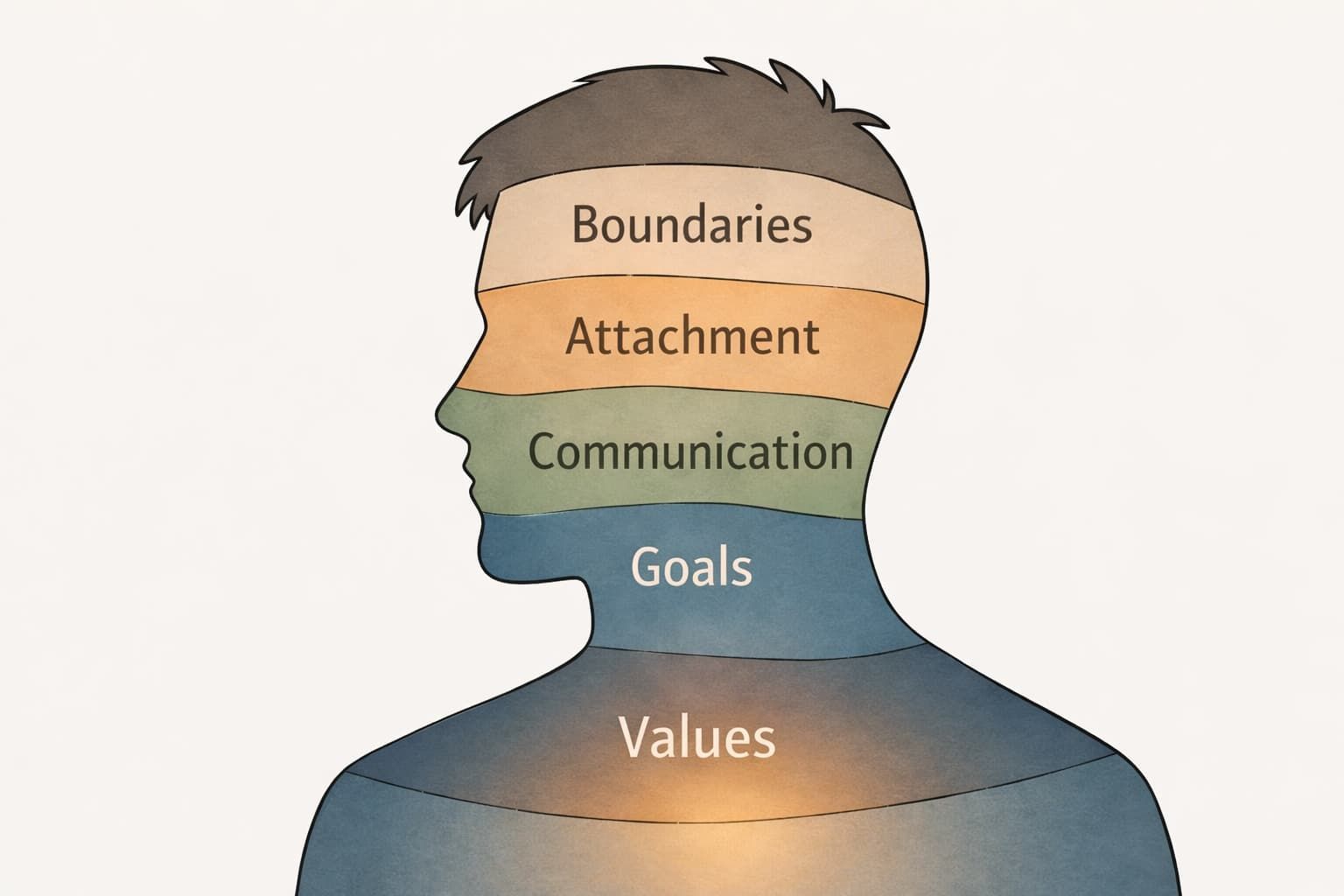
Do you want more than just surface-level conversation when you're dating someone new? This is where deep dating questions help. When you know what to ask someone you’re dating, you can go beyond small talk. It helps you discover who the other person is at their core. These questions can reveal recurring themes. Those patterns may offer clues about future behavior, although people can change.
Purpose of deep dating questions
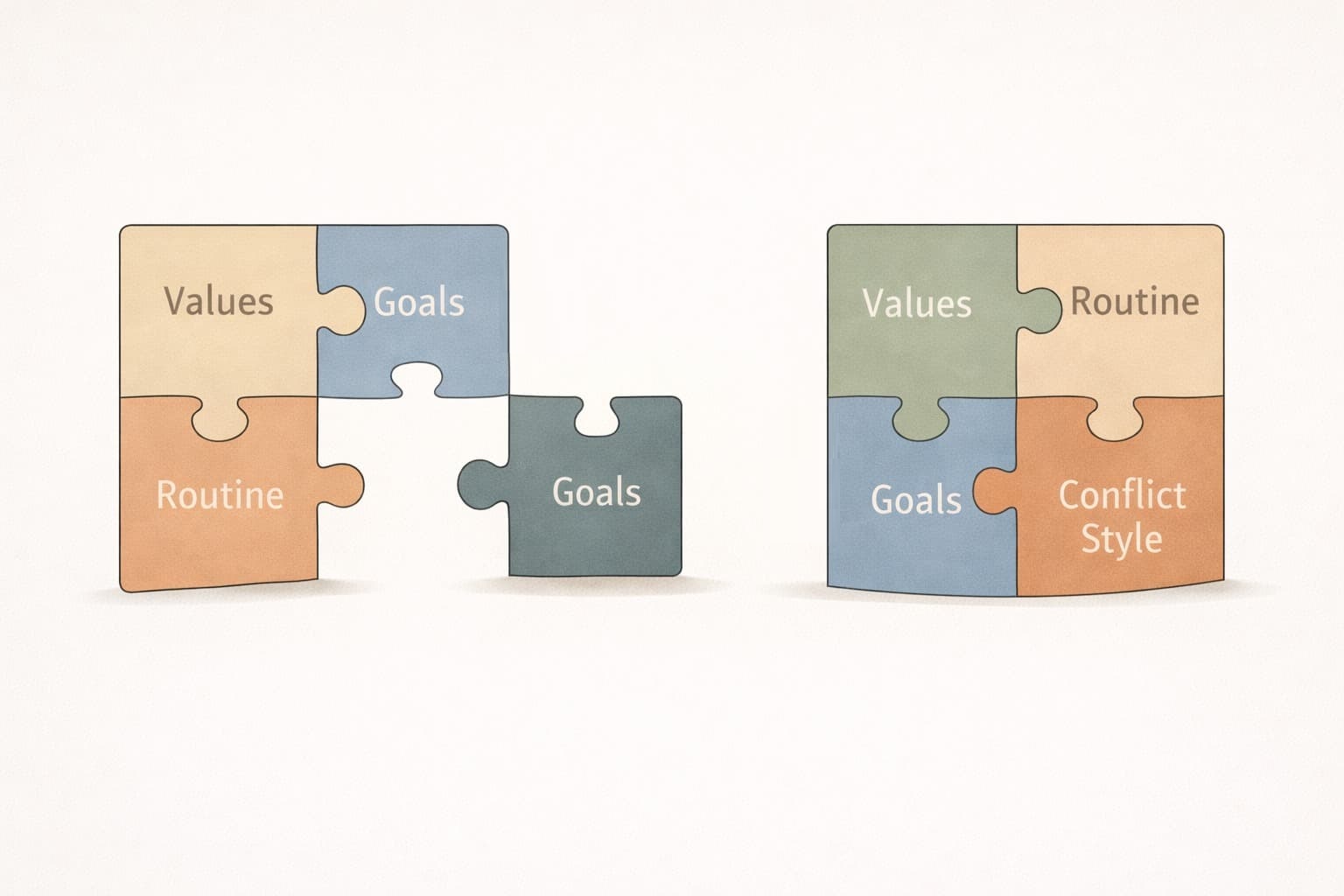
Deep dating questions can serve as a valuable tool to build genuine emotional connections between two people. You use them to explore the beliefs, experiences, and personality of another person.
This is hard to learn from day-to-day conversation alone. Deep questions help both people assess compatibility more honestly. Along with that, they can also discuss potential red flags in an open and relaxed manner. The power of meaningful questions can transform superficial interactions into strong bonds.
“To ask the right question is already half the solution of a problem.”
Carl JungPsychiatrist, psychoanalyst, founder of analytical psychology
You can create lasting connections when you ask open-ended questions. On top of that, deep questions demonstrate genuine curiosity about the world of the other person. They signal that you are invested in fully understanding them.
How should you ask deep dating questions?
It is not a good idea to immediately jump into deep dating questions. Wait until you’ve built basic comfort and rapport. Avoid overwhelming someone with intense topics too early.
The early stages of dating are a good time to start asking slightly deeper questions. They help build a stronger foundation without making the conversation feel too intense. This is also a good stage for playful questions about hobbies, preferences, and everyday life.
You will find the best moments for deep conversations during quiet and intimate settings. These questions often work best over dinner, on an evening walk, or during a quiet moment when the conversation flows naturally. These moments can transform into opportunities for deep connections. So be mindful not to let those moments pass.
How do deep questions build emotional depth?
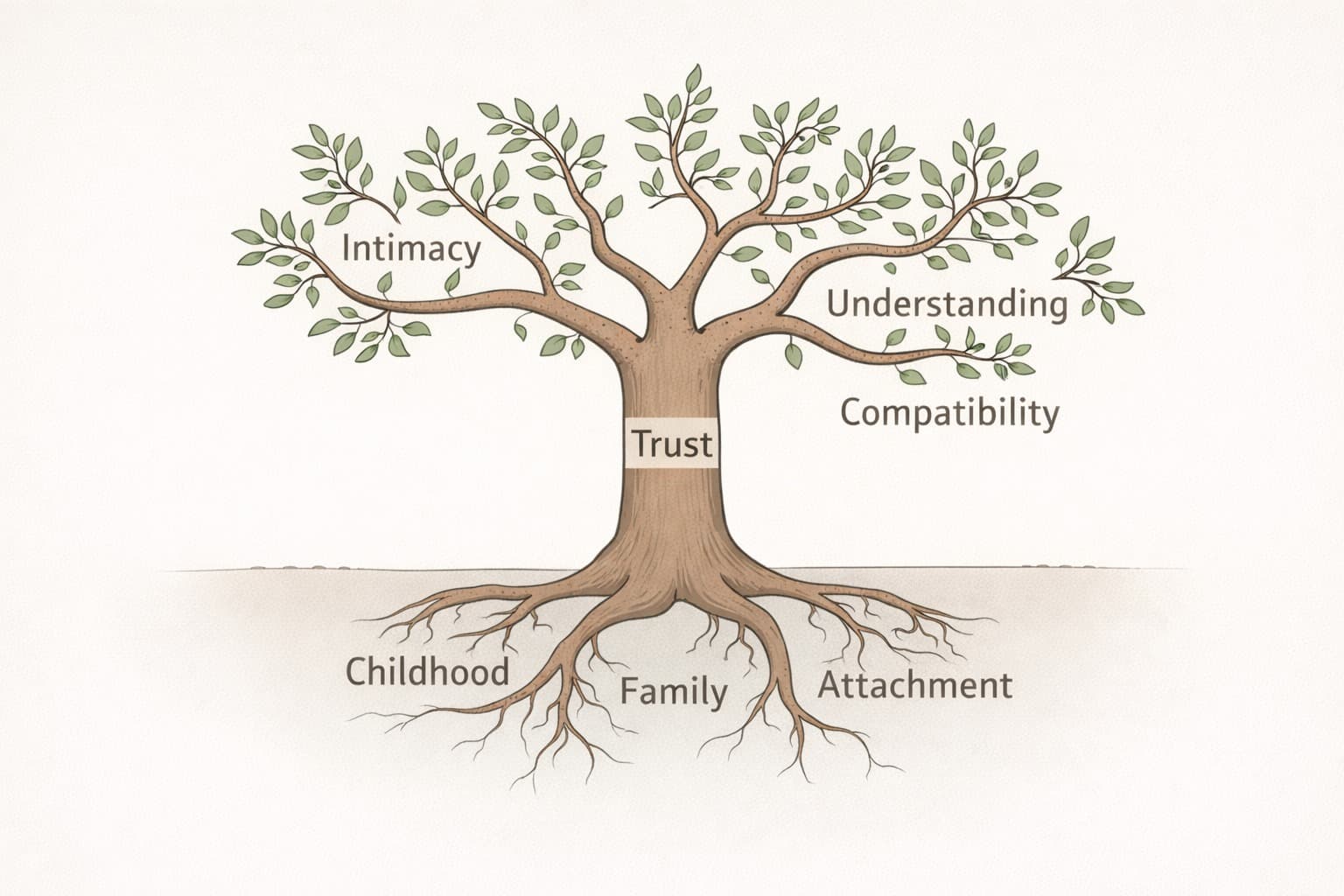
Asking hard dating questions can build emotional intimacy.
“Vulnerability is the birthplace of love, belonging, joy, courage, empathy, and creativity.”
Brené BrownResearch professor, social worker, researcher of vulnerability and human connection
That’s because they encourage vulnerability and self-disclosure. You will strengthen your bond when you share meaningful aspects of your inner world with someone else. Research suggests self-disclosure can increase liking and closeness in early-stage interactions. Over time, you can use these deep dating questions to build trust (Self-disclosure in relationships).
Make sure to start off with moderately deep questions before you move into more vulnerable topics. This approach allows both people to feel safe while revealing personal information.
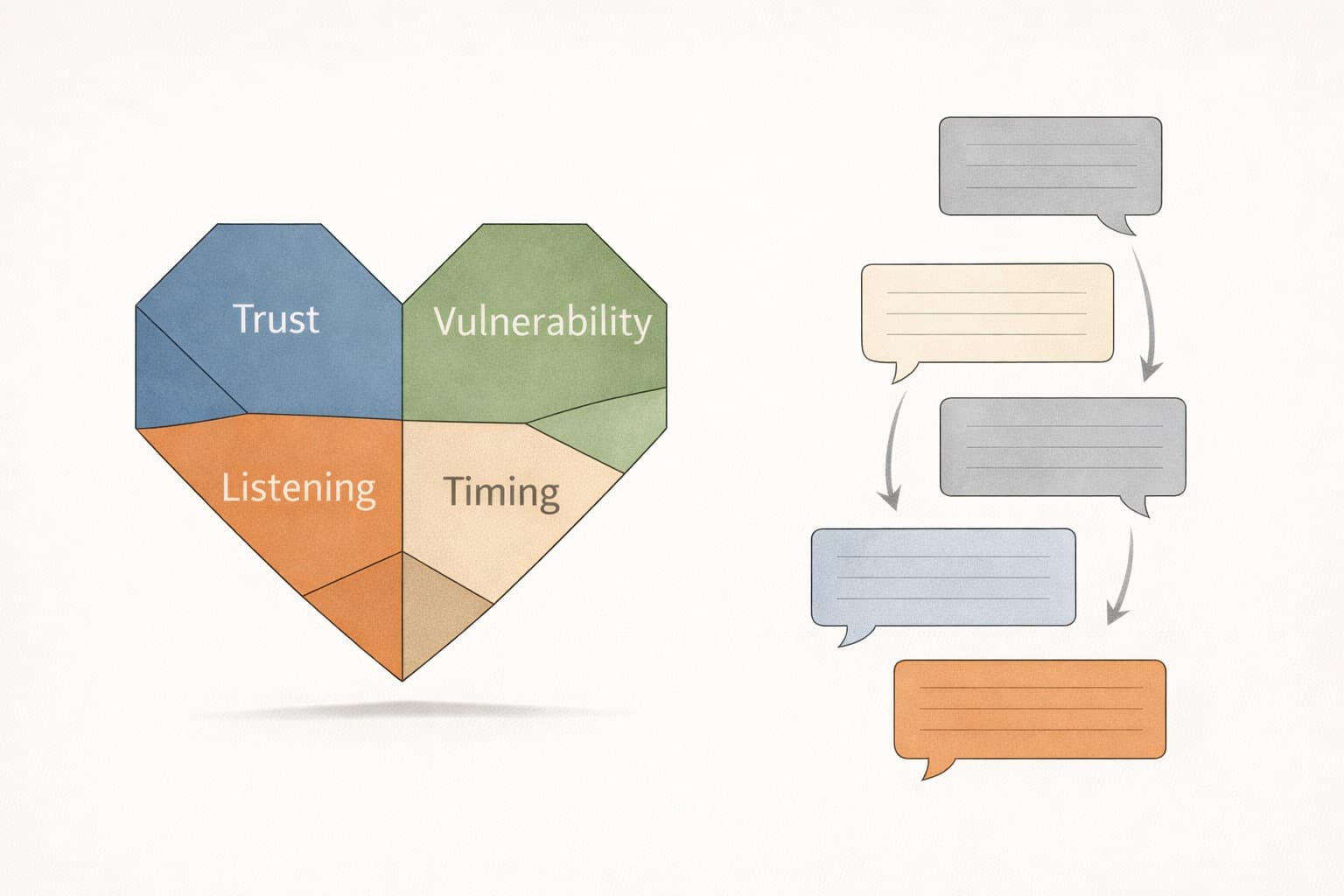
Emotional depth will grow when you truly listen carefully to your partner’s answers. Take time to understand instead of jumping to quick conclusions and judgments. Always keep in mind that humans are multi-faceted beings with many layers. By asking deep questions, you are demonstrating that you value the inner life of your partner. You will show continued interest in their world as well. It shows you’re taking them seriously.
What questions reveal value and identity?
Knowing which deeper questions to ask while dating can help you navigate conversations more naturally. Here are a few questions to consider:
- What role does money play in your life?
- What was your family’s attitude toward money when you were growing up?
- How would you define financial success?
- What does financial freedom look like to you?
- What are your long-term financial goals?
- How do you define spirituality?
- What beliefs do you hold that others might not understand?
- In what ways do you seek personal growth?
You can also explore their character and self-perception directly. For example, you may ask questions such as:
- What do you see as your best character trait?
- If you could change one thing about your character, what would it be?
These questions can help you uncover some valuable insights. They can also help you understand how they view themselves and their level of self-awareness.
Explore relationship expectations through questions
Some of the deeper questions you ask should focus on the relationship itself. They clarify what each person needs to feel satisfied in a partnership. By asking these questions at an early stage, you can avoid future conflicts. If you have any intentions for long-term dating, make sure not to avoid these questions.
“Unexpressed expectations are premeditated resentments.”
Neil StraussAuthor, journalist, relationship writer
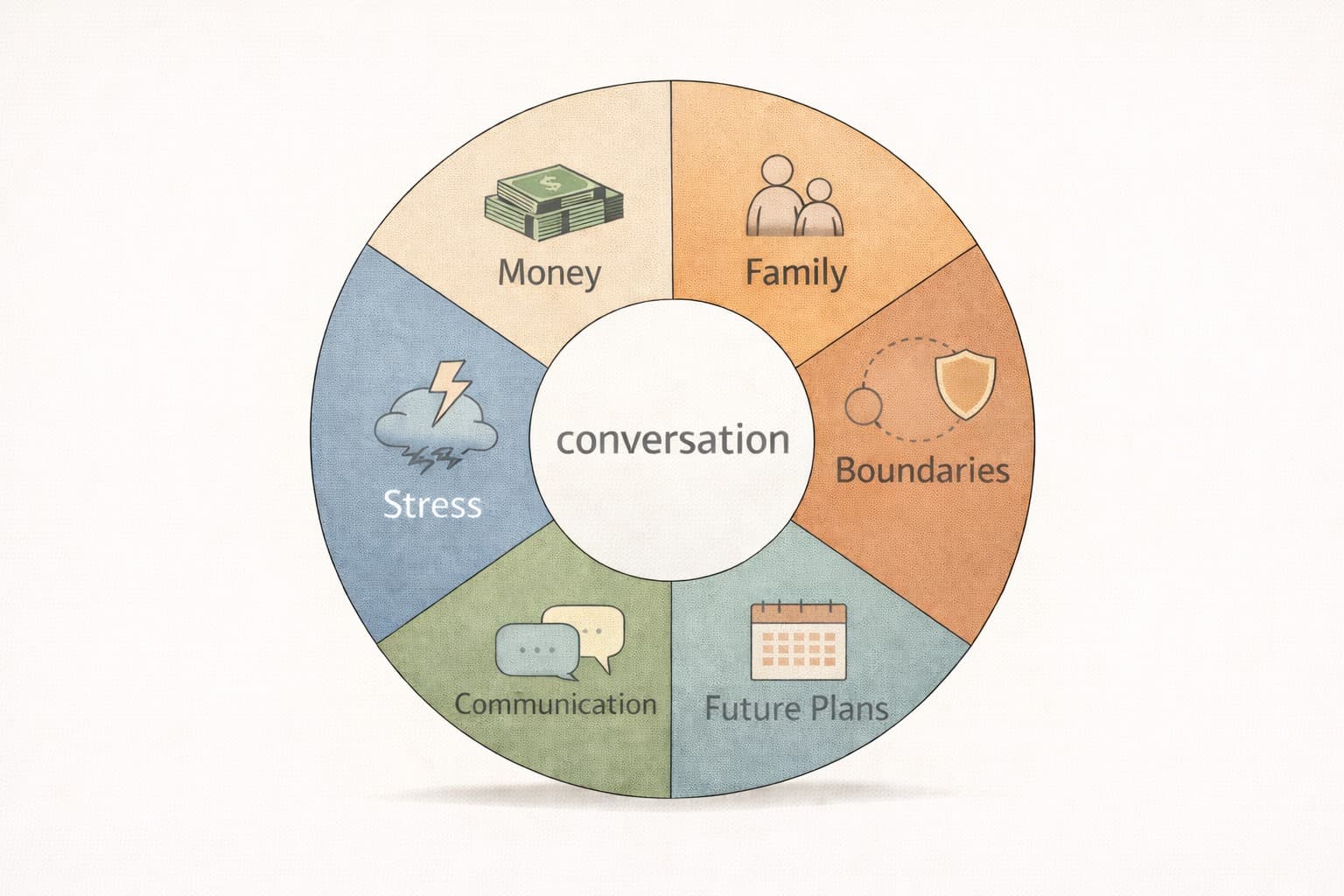
Deep dating questions help reveal different layers of a relationship, depending on the area they touch. Some questions show how a person thinks about connection and commitment, while others highlight values, emotional maturity, or everyday compatibility.
Questions about relationship expectations help clarify what a person is looking for right now. They reveal whether someone wants something casual, is open to exclusivity, or is thinking long-term. These questions are less about labels and more about alignment - whether both people are moving in a similar direction.
Questions focused on daily life and habits reveal practical compatibility. They show how someone structures their routine, balances work and rest, and handles everyday responsibilities. This area often predicts friction or ease in real life more accurately than chemistry alone.
When you ask about past experiences, you are not collecting stories but observing patterns. These questions reveal how a person reflects on previous relationships, takes responsibility, and processes emotional lessons. The way someone talks about their past often matters more than what actually happened.
Questions around conflict and stress uncover emotional regulation. They show how a person responds under pressure, whether they communicate openly, withdraw, or become defensive. This area gives early insight into how disagreements might be handled later on.
Communication-focused questions reveal emotional availability and self-awareness. They help you see whether someone can articulate feelings, listen, and engage in honest dialogue without shutting down or deflecting.
Questions about life direction and goals highlight long-term compatibility. They show priorities, ambition, and how flexible or rigid someone is about the future. Misalignment here does not always mean incompatibility, but it does signal the need for honest discussion.
Finally, questions touching on family, attachment, and boundaries reveal how someone relates to closeness and independence. They show comfort with intimacy, expectations around support, and respect for personal limits.
Why should you ask about past experiences and patterns?
Past experiences shape how people approach current relationships, so asking about them can give you useful context. Questions about previous relationships and recurring patterns can show how someone reflects, what they have learned, and whether they take responsibility for their role.
Here are a few questions that you can ask about past experiences and patterns:
- How has your relationship with your parents influenced your life?
- How would you describe your childhood in three words?
- What’s the most significant memory from your childhood?
- How has your upbringing affected your character?
- What traditions from your family do you want to pass on?
- What is the most important lesson that your parents taught you?
- What lessons have you learned from your past relationships?
- How has your view on relationships changed over time?
You can discover patterns when you ask about previous relationships. This is why you can ask questions like: “What did your past relationship teach you?” or “What are the two biggest lessons you learned from your previous relationship?”
You might be interested in our article "Signs a divorced man is ready to marry again"
All these questions illuminate recurring themes. These patterns often help you to predict future behavior, unless someone has actively worked to change them.
However, it is also important to approach these questions with genuine openness and curiosity. You shouldn’t be quick to judge based entirely on the past of another person. That’s because people can change. In fact, previous experiences often play a major role in how people change.
How do you discuss conflict and stress management?
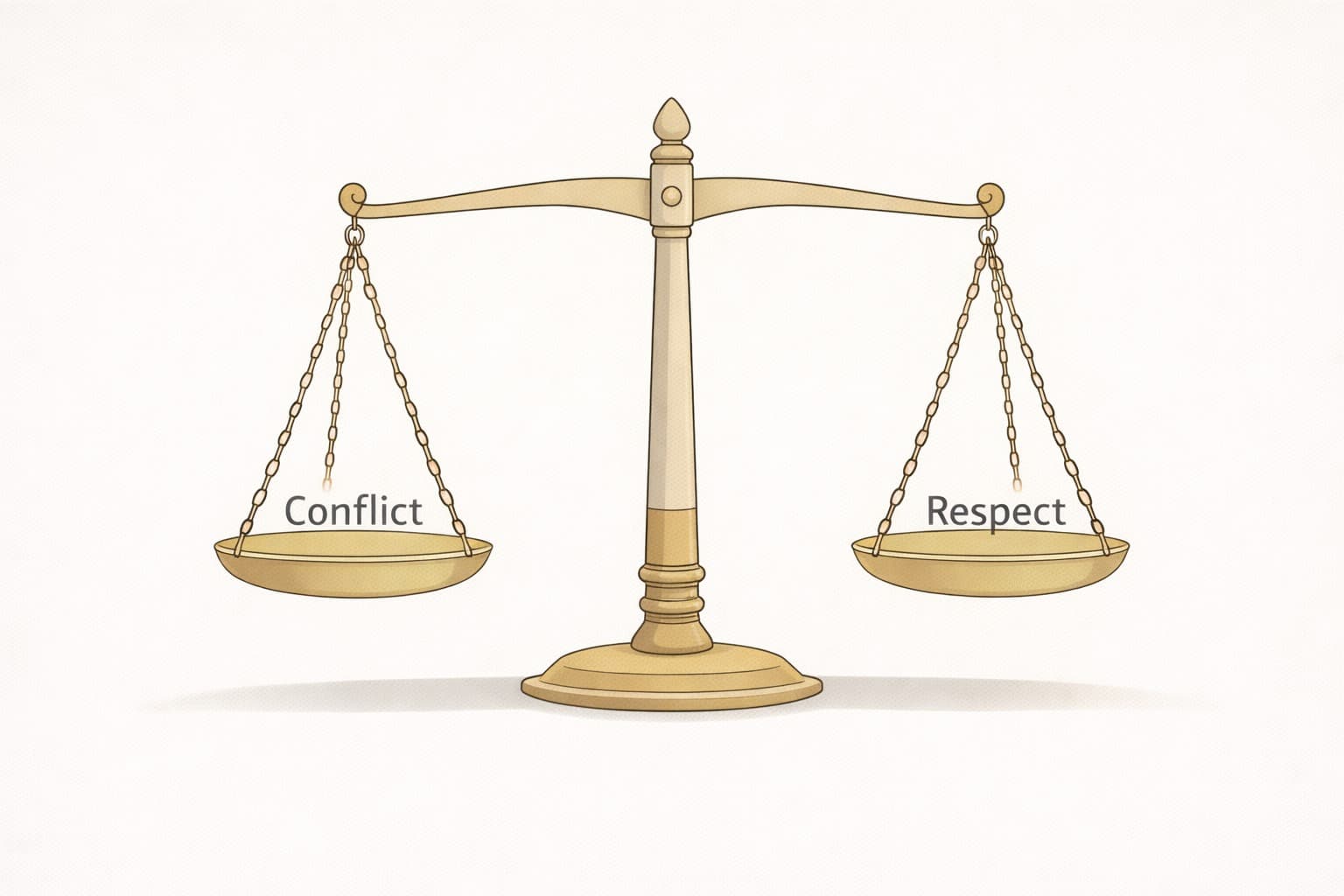
Questions about conflict and stress matter because they show how someone handles difficult situations. These patterns can directly affect relationship health, and different coping styles can create friction if they are never discussed.
“It’s not whether couples fight that determines the success of a relationship, it’s how they fight.”
John GottmanClinical psychologist, relationship researcher, co-founder of the Gottman institute
You just need to understand these patterns as well. That’s because they can have a direct impact on your relationship health. Moreover, stress management differences can create major changes if partners have different coping styles.
By asking questions about stress management, you can understand what their triggers are. Along with that, you can also get to know about their decompression needs. Here are a few questions that you can ask about stress management:
- Is there anything that gives you overwhelming anxiety?
- How do you handle high stress situations?
These questions can reveal both vulnerabilities and coping mechanisms. They should also help you understand how the two of you might handle stress together, not just how they cope on their own.
You may also ask questions about their biggest fears or phobias. These questions may feel too heavy to ask. However, they offer important context on what your partner finds threatening or overwhelming. Having such knowledge can help you to support them in a more effective manner when needed. In other words, you can support them more effectively when the other person is in need of help.
Conflict specific questions will examine how someone will navigate through disagreements. This is why you can ask questions such as “How do you handle conflict in a relationship?”. This will reveal their approach to resolution. Moreover, you can ask whether they typically withdraw, escalate, or seek compromise during arguments.
Stress relief preferences will matter a lot during partnerships as well. You need to know whether your partner prefers being left alone or having someone to cheer them up while they are in a bad mood. This information prevents you from unintentionally making things worse when they are struggling.
What does communication depth look like in dating?
Communication depth extends beyond just frequent conversations. This is why you need to include a few communication-focused questions. You will achieve communication depth when the conversations explore meaningful topics and emotional experiences. Such deep communication will require both partners to be vulnerable and authentic.
You can assess communication depth by paying attention to a few things:
- Notice whether your partner is sharing feelings alongside facts.
- Observe if they ask follow-up questions that show genuine interest.
- Check if they remember details from your previous conversations.
Asking deep dating questions will naturally promote better communication. That’s because they model the kind of sharing that you wish to receive. You need to be careful to listen actively to all responses as you ask thoughtful questions. This is where you will be able to create a space for meaningful exchange. Your partner will typically mirror this vulnerability. It will eventually lead to a more open dialogue.
You can also talk directly about communication preferences. Ask questions like, "How do you usually handle disagreements?" or "Is there anything you find hard to talk about in a relationship?" These conversations make it easier to handle challenges later.
Ask about life direction and goals
Life direction questions can help you to understand the ambitions and future vision of a person. This is where you will assess compatibility by comparing where you each want to go. These questions become more important as a relationship moves toward long-term commitment.
Among hard questions to ask someone you’re dating, you need to include some career-related questions. They will help you to understand what drives the other person professionally. This is where you can ask questions such as:
- What is your dream job and why?
- If money were not a factor, what would you choose to do with your life?
You will also need to understand how they balance different priorities in life. For that, you need to ask questions such as:
- How do you maintain balance between your career and personal life?
- What matters more to you right now - career or family?
These questions can help you understand what matters most to a person. That, in turn, can help you decide whether you are truly compatible for building a life together.
Future-planning questions also cover the practical side of life direction. You might ask, "Where would you like to live someday, and why?" You can also talk about family plans and timing expectations. These conversations can help you spot potential dealbreakers before you get too emotionally invested.
Ask about family and attachment
Questions about family and attachment give you context for how someone learned to connect, trust, and handle closeness. Early attachment patterns often continue to influence adult relationships.
Questions that you ask about parents and siblings reveal what type of formative relationships they have. For example, you may ask questions such as:
- Do you believe you share more characteristics with your mother or father?
- How did your siblings influence your personality and perspectives?
These questions will help you to understand what traits were modeled and internalized. You should also explore future family questions. A few examples of such questions include:
- Do you look forward to being a parent?
- How do you feel about having children?
Answers to these questions clarify major life path decisions. Misalignment on these topics can become harder to reconcile later. You need to include some attachment style questions as well. They will examine how someone relates in intimate relationships. For example, you can ask about their comfort with closeness. These patterns also predict how they will behave in your relationship.
When should you tackle hard and uncomfortable topics?
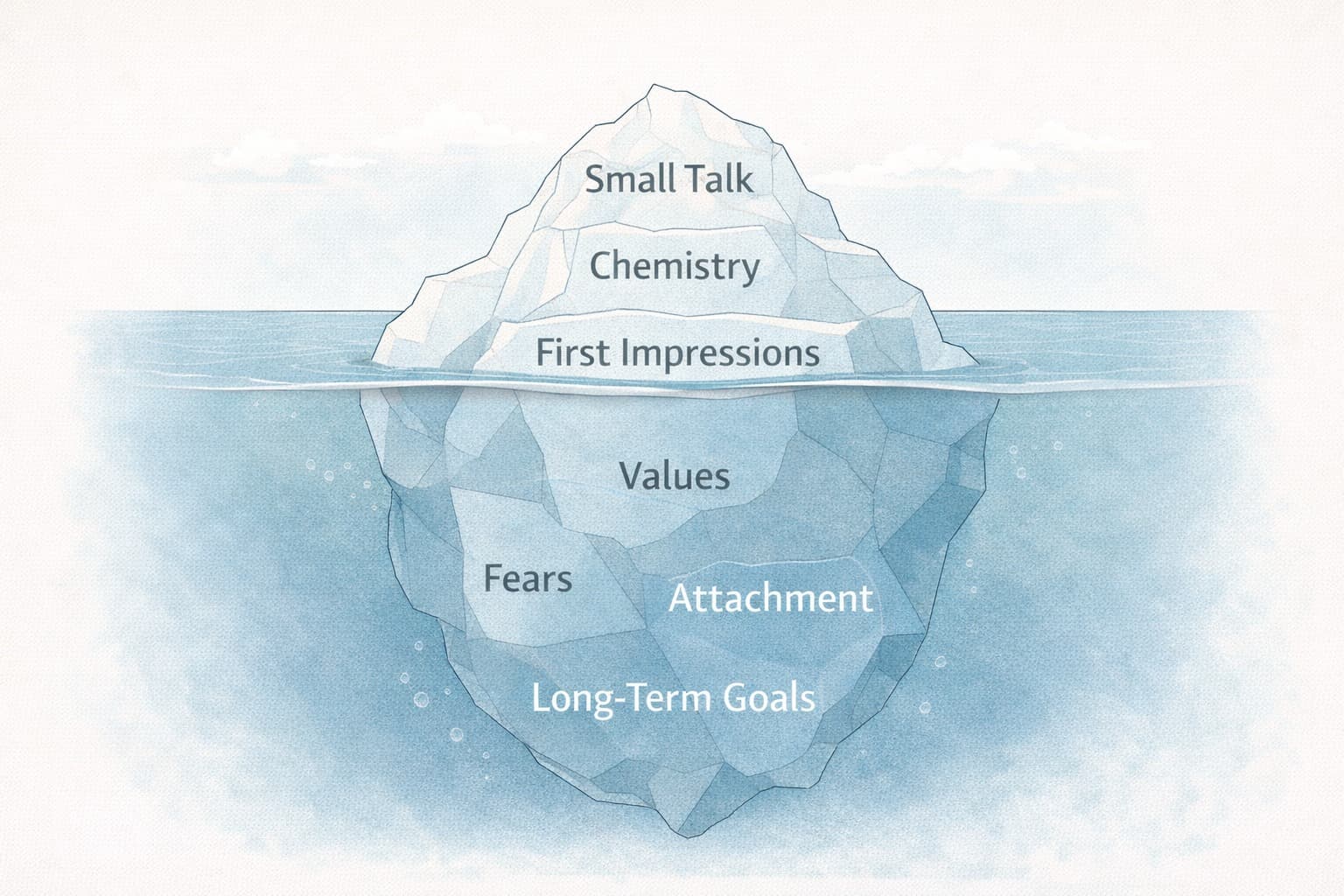
Many people hesitate to ask uncomfortable questions, but they can be an important part of deeper dating conversations. The key is timing. Ask them only after some trust has been built, so both people feel safe enough to be honest. That helps you see whether you can handle difficult conversations together.
Financial topics often feel uncomfortable to ask. However, they are quite essential. You need to discuss money attitudes, spending habits, debt, and financial goals. A few examples of such questions include:
- Have you ever had a major financial setback?
- How did you handle it?
Then you need to ask questions related to sexual compatibility (only ask this once you’ve built trust and consent around the topic). You can continue to ask questions such as:
- Is there anything you like to try in the bedroom?
- Do you have any sexual fantasies?
These questions feel vulnerable, but they can help prevent mismatched expectations.
Past trauma and major loss require extra care. If the conversation naturally goes there, ask gently, for example: "Was there a major event that changed the way you see life?" If they share something painful, acknowledge it, thank them for opening up, and respond with care.
You might be interested in our article "Dating a widow or widower: 8 clear signs they are ready to date again"
All deal breakers and non-negotiables require direct discussion. You may ask questions like:
- What is a relationship deal breaker for you?
- What’s one thing you would never compromise on in a relationship?
The answers to these questions will clarify boundaries you need to maintain.
Risks of asking deep questions
Now you are aware of the deep questions to ask someone you’re dating. While these questions can be useful, asking them also comes with risks. The biggest risk is overwhelming your date. If you push too hard, you may make someone feel interrogated rather than understood.
You may also run into judgment or rejection. Sometimes your date will react negatively to the questions that you ask. On the other hand, the answers you get can clash with your values as well. Both these situations can be painful. However, you should use it as a signal to adjust pace and depth.
Misunderstanding is another risk. Your date may misread your intentions or become defensive about certain topics. You can reduce that risk by staying curious rather than sounding like you are testing them. Maintain genuine curiosity instead of testing or interrogating.
Common mistakes when asking deep questions

You can make mistakes as you continue to ask hard dating questions. These mistakes can defeat the purpose. These mistakes can undermine the whole point, so it helps to recognize them early and avoid them.
You should not judge the other person immediately as you get the responses. Or else, you shouldn’t even react with visible disapproval. That’s because your date needs to feel safe about being honest. Otherwise, you will not be able to get honest responses.
“Seek first to understand, then to be understood.”
Stephen R. CoveyAuthor, educator, leadership and communication expert
Asking questions that you are not ready to answer can sound hypocritical. That’s why you should only ask questions that you are willing to discuss if the roles were reversed. This fairness will create trust and mutual vulnerability.
Timing mistakes can happen when you ask heavy questions during inappropriate moments. For example, you shouldn’t bring up childhood trauma during a fun group outing. You should not even discuss financial fears right before your partner’s big presentation. It is important to read the situation carefully and ask the right questions at the right moments.