


Dating a widow can be rewarding but emotionally nuanced, especially when you’re navigating the presence of past memories. Did you find yourself tangled in this kind of situation? Do you like a widow/widower and do not want to let go but are afraid of the consequences of staying?
This article will help you navigate the unique challenges and emotional rewards that come with dating someone who has loved and lost.
If you are dating a widowed man or woman, it is still possible to maintain your love by understanding their grief journey and exerting some effort. Dating a person after being widowed is not about replacing the past but honouring it while building something new.
“Grief is not a disorder, a disease or a sign of weakness. It is an emotional, physical and spiritual necessity, the price you pay for love.”
Earl a. GrollmanGrief counsellor, psychotherapist, author specializing in bereavement and loss
Emotional readiness after loss shows up not in words, but in behaviour - how a person talks about the future, handles closeness, and responds to emotional intimacy.
Patience is essential for the relationship to develop. With that said, it is important to know whether someone is ready to date again after loss. Readiness does not mean grief is over (Prolonged grief disorder). It means grief no longer controls how they relate to you.
8 signs a widow is ready to date again

- They are open about their past but focused on the present.
- They have expressed a desire to find love again.
- They are emotionally available and communicative.
- They set healthy boundaries after the death of their spouse.
- They are talking about the future, not just the past.
- They have support from friends and family.
- They are honest about their grief but do not dwell on it.
- They have taken time to heal and rediscover themselves.
They are open about their past but focused on the present
Widows and widowers carry their past with them, but when they’re ready to date, they can talk about their late partner without breaking down or withdrawing.
This openness is a healthy sign of emotional processing. You may notice that stories about their late partner come up naturally, without dominating every conversation or redirecting emotional focus away from the present moment.
It also signals they are making space for someone new without trying to replace what was lost.
“How do I tell if they are open about their past and focused on the present?”
Tip: invite them on a casual coffee date or something similar to get to know them better. Try asking questions that may be related to their past but not exactly about their late partner.
Example: “Have you ever had a moment in life that completely changed your priorities?”
This does not directly reference their late partner but opens the door for them to speak about a major life event, like their loss. Don’t be afraid to listen. Asking gently about their previous relationship can strengthen your bond.
They expressed a desire to find love again
Some widows openly talk about wanting to date again. Others may be quieter, but if they're engaging with dating apps, accepting invitations, or attending social events, it’s a good sign (Coping with grief and loss). Consistency matters more than one-time gestures. Repeated interest over time signals intention rather than curiosity.
“Trust is built in very small moments.”
John GottmanPsychologist and professor emeritus of psychology at the university of Washington
“How do I tell if they express a desire to find love again?”
Tip: agreeing to spend time with you one-on-one often indicates openness to connection. But here’s a tip to give you more confidence:
Try to meet them in person. Invite them to go somewhere or do something, and make sure to imply that it’ll be just the two of you like a coffee date, accompanying you to an event, or tagging along for an activity. However, give them a clear and respectful option to decline. This will help you see where they stand.
If they decline, avoid pressing for explanations. If they say they are simply not available on that date, you can try again another time!
They are emotionally available and communicative
Being emotionally present means they’re not just going through the motions. Emotional availability shows when conflict or discomfort does not immediately lead to withdrawal, silence, or avoidance. If they can express feelings, listen, and talk about emotional needs, it shows they’re ready for an emotionally healthy relationship.
“How do I know if they’re emotionally available?”
Tip: try to share more about you. See if they’ll listen, care, and even share more about themselves and not their past.
You can also try to offer comfort and support. If they are not afraid to show vulnerability and accept your support, even as simple as moral support or someone who listens without judgment, it indicates they are emotionally ready to start something new.
Notice: whether attempts at emotional closeness are met with openness or consistent defensiveness. If the wall is sturdy and defensive, it’s important to step back.
Meaning, that if you start to make them feel uneasy, remain respectful and don’t push it further.
They set healthy boundaries after the death of a partner
Widows/widowers often need boundaries to protect their healing journey. If they articulate their limits clearly, this is not a red flag but a sign of self-awareness and emotional maturity.
“Some things cannot be fixed. They can only be carried.”
Megan DevinePsychotherapist, grief educator, author specializing in loss and bereavement
“How to recognise boundaries and what to do?”
Tip: recognizing boundaries often means noticing when they need time alone during relevant dates that may be important for them. Keep an eye on their mood.
If they seem especially blue on a certain day, ask them what’s wrong and what you can do.
Boundaries you can expect:
- Time alone on anniversaries
- Keeping mementos
- Maintaining traditions with their children if they have
What matters is not the boundary itself, but whether it is explained calmly and held consistently. Unclear or shifting boundaries often signal unresolved grief (Prolonged grief disorder in icd-11 and dsm-5-tr: challenges and controversies).
They talk about the future, not just the past
Future planning, even casually mentioning vacations, shared activities, or hopes, shows they see potential in their life moving forward. It also suggests they are integrating their past instead of living in it.
“How do I know if I have a good chance with them?”
If they include you in those plans even subtly.
“We should try that restaurant” or “You’d love this camping site”
This kind of language often signals that they are starting to see you as part of their future. This is often a sign of emotional investment.
They have support from friends and family
Meeting someone for friendship or being encouraged by loved ones to date again is a positive sign for widows or widowers (The desire to date and remarry among older widows and widowers). If those closest to them support their dating journey, they likely have a strong support system in place.
“Grief shared was grief lessened.”
Karen Marie MoningAuthor
Furthermore, their close friends and family are the ones who know them and their state best. If their friends or family show support for you, that means the widow or widower is most likely ready or in a state where their family is confident that they can handle a new connection.
People grieving the death of a spouse often lean on their circle to make major decisions as well. If her kids, siblings, or friends are welcoming to you, it’s a good indication that your presence is likely having a positive impact.
They are honest about their grief but don’t dwell on it
Grief never fully disappears (Grief: coping with the loss of your loved one). The difference lies in whether grief is one part of their emotional life or the center of it. But when a widow/widower can talk about their loss without being consumed by it, it shows progress in healing.
“How do I know if they are really honest and doing fine handling grief or they are simply being considerate?”
Tip: see if they may still get emotional during significant dates. This one is tricky.
Though those moments don’t define their daily mood or interactions, instead of apologizing for their feelings, they accept them and do not feel ashamed of doing so around you.
If they are comfortable in seeking your comfort and understanding whenever they feel these emotions, that is a good indicator they’re handling grief well.
On the other hand, if they are avoidant and in denial, and avoid showing vulnerability around you, that may be a sign that they still dwell on the grief from their past.
They’ve taken time to heal and rediscover themselves
Dating after the death of a spouse isn’t about filling a void. It’s about building something new. If they’re engaged in self-care, therapy, new hobbies, or friendships, they’re likely in a healthier emotional space. Personal growth that exists independently of dating is often a stronger sign of readiness than interest in a new relationship itself.
Note that: you don’t need to compete with their late partner and the memories they shared before.
You can offer a new connection and be a reason they would want to move forward, seeing the potential for a better and hopeful life after such a tragic experience.
Red flags a widow/widower may not be ready yet

Now that you’ve learned how to tell if a widow/widower is ready to date, it is also important to know when and whether to back out.
This does not necessarily mean you are giving up on them. But you also need to know when to pause and consider your feelings and well-being.
Here are signs that indicate red flags:
- They constantly compare you to their late partner - this puts you in a position where you are measured against someone you can never compete with, instead of being accepted as a separate person.
- They avoid conversations about emotions - emotional avoidance usually means they are protecting themselves from pain, not building emotional closeness with you.
- They disappear or pull away when things get serious - withdrawal at moments of intimacy often signals fear of attachment rather than a lack of time or interest.
- They say “you’ll never understand” often - this phrase creates emotional distance and blocks dialogue instead of allowing mutual understanding to develop.
- Their family or children resist their dating - strong resistance from close family can indicate unresolved dynamics around the loss or pressure that may eventually affect your relationship.
- They are unwilling to discuss or acknowledge changes in their marital status or talk as if they’re still married - emotionally, this keeps them anchored in their previous role and leaves little space for a new partnership.
Tips for dating a widow/widower
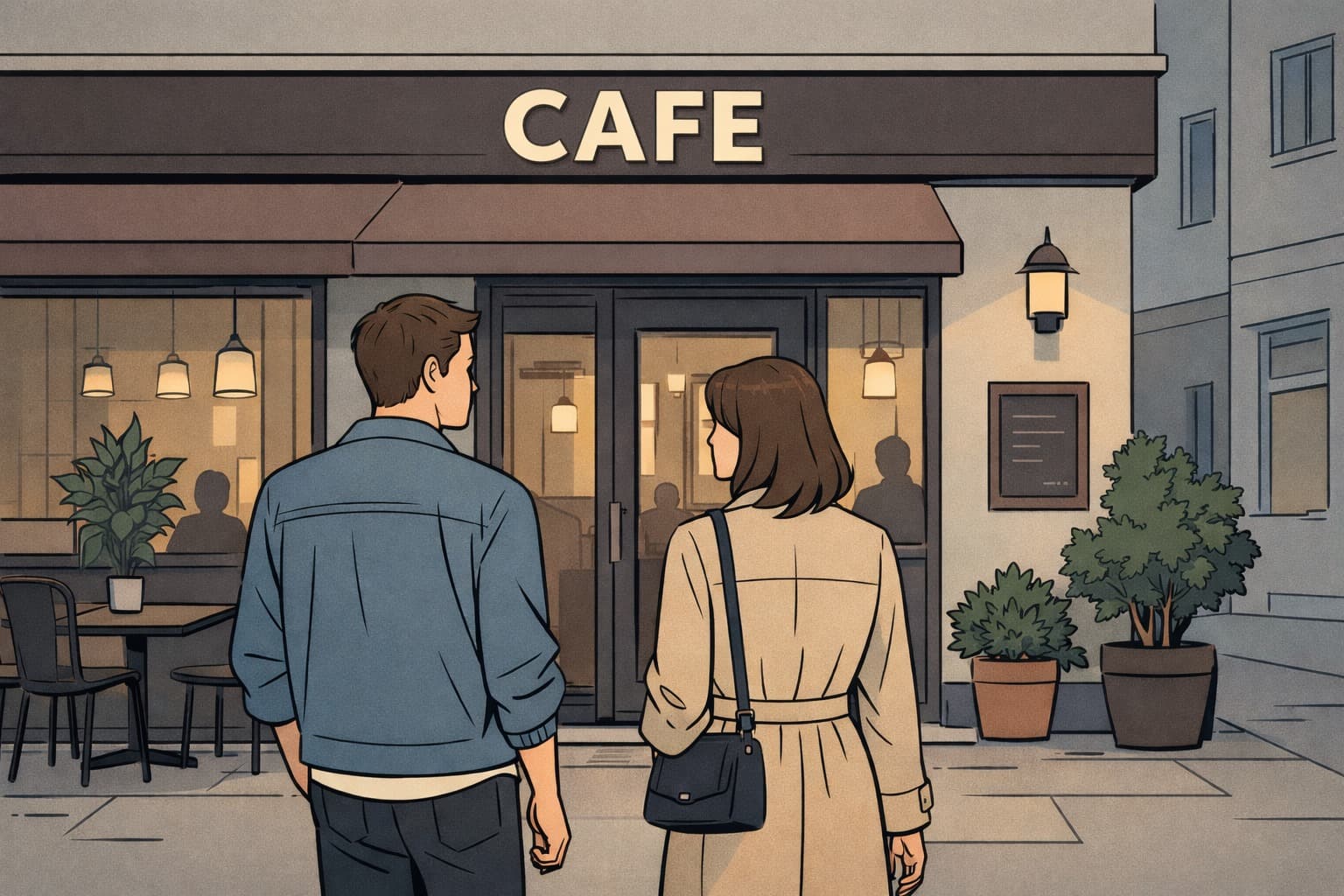
If you see these signs, it may be best to pause and think things through. Is it worth the effort? Your emotions? Are you willing to risk your own emotional and physical well-being for them?
You have to consider your capacity too whether you can handle all the baggage that comes with your widow/widower lover.
It may sound harsh to know when to step back if the situation becomes overwhelming, but if you stay despite clear red flags, you may end up sharing the emotional weight of unresolved grief. Walking away does not mean a lack of compassion. It means respecting your own emotional limits.
“You are not required to set yourself on fire to keep other people warm.”
Penny ReidAuthor
Conclusion

Dating someone who is grieving a partner takes empathy, patience, and courage. But when the time is right, widows/widowers can love again with great depth and gratitude. A relationship with a widow or widower works best when both people can hold space for the past without letting it define the present.
If you're falling in love with a widow/widower, remember: your role isn’t to replace the past but to help write the next chapter.
They have loved deeply once and know the value of a lover’s presence. They know the ache of losing one and, hence, would most likely cherish you and appreciate you better.
On the downside, their emotional baggage and the extra effort you’ll need to understand them could be hard to manage, depending on the depth of their grief.